


What is tungsten-molybdenum alloy
Tungsten-molybdenum alloys are advanced refractory metal alloys composed of tungsten (W) and molybdenum (Mo), combining the high-temperature strength of tungsten with the lower density and excellent processing characteristics of molybdenum. These alloys include molybdenum-based molybdenum-tungsten alloys and tungsten-based tungsten-molybdenum alloy series.
Due to their excellent thermal stability, corrosion resistance, and high-temperature performance, tungsten molybdenum alloys are widely used in high-temperature industrial equipment, electronic components, aerospace-related thermal-resistant parts, and specialized engineering applications.

What Is Tungsten Molybdenum Alloy?
Tungsten molybdenum alloys are alloys containing two elements, molybdenum and tungsten, which can be combined in different ratios. The two metals form a complete solid solution alloy system, meaning tungsten and molybdenum can dissolve into each other at all temperatures without forming separate phases under normal alloy conditions.
Depending on the tungsten content, tungsten molybdenum alloy can be classified into molybdenum-based alloys and tungsten-based alloys. By adjusting the ratio of tungsten and molybdenum, manufacturers can customize the balance between density, thermal performance, corrosion resistance, and machining characteristics for different applications.
Compared with pure tungsten, tungsten molybdenum alloys provide similar high-temperature properties while offering a lower density. The typical density values are:
| Material | Typical Density |
|---|---|
| Pure Tungsten (W) | Approx. 19.3 g/cm³ |
| Pure Molybdenum (Mo) | Approx. 10.2 g/cm³ |
| Tungsten Molybdenum Alloy | Depends on tungsten content, typically between molybdenum and tungsten |
This combination makes tungsten molybdenum alloys suitable for applications requiring both high-temperature resistance and reduced weight.
Manufacturing Methods of Tungsten Molybdenum Alloys
Tungsten molybdenum alloys are produced using manufacturing methods similar to those used for metallic tungsten and molybdenum materials. The main production processes include powder metallurgy, sintering, and melting methods.
Powder metallurgy is one of the commonly used production methods for tungsten molybdenum alloys. Tungsten powder and molybdenum powder are mixed according to the required composition, compacted into a desired shape, and then sintered at high temperatures to achieve a dense alloy structure.
For specific alloy compositions and product requirements, smelting methods may also be applied. After alloy production, tungsten molybdenum materials can be further processed into different forms, including:
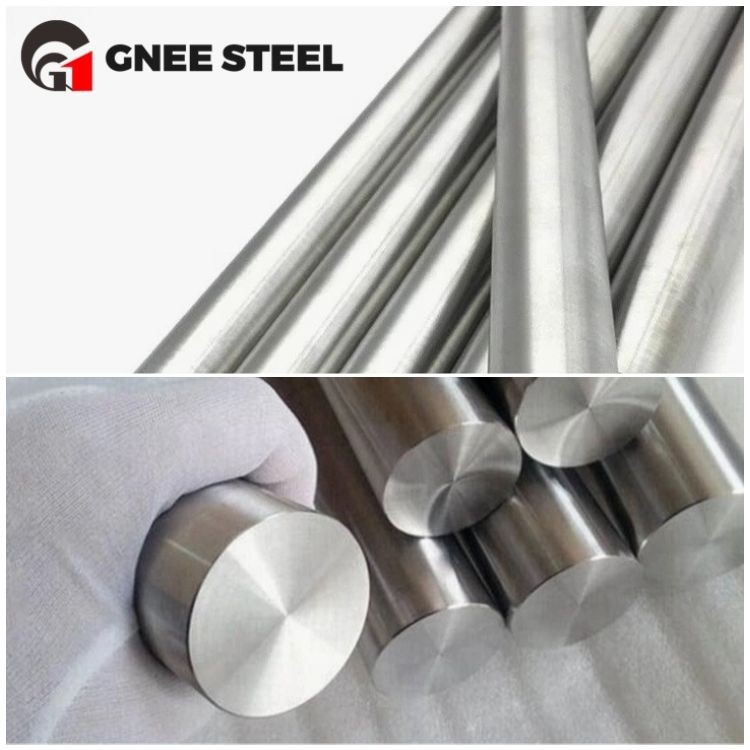
- Tungsten molybdenum alloy rods
- Tungsten molybdenum alloy plates
- Tungsten molybdenum alloy sheets
- Tungsten molybdenum alloy wires
- Customized tungsten molybdenum alloy profiles
These different product forms allow tungsten molybdenum alloys to meet various requirements in industrial manufacturing and high-temperature environments.
Tungsten Molybdenum Alloy Resistance to Liquid Zinc Corrosion
One important application of tungsten molybdenum alloy is its excellent corrosion resistance in liquid zinc environments.
A tungsten molybdenum alloy containing approximately 30% tungsten by mass (Mo-W30 alloy) has excellent resistance to molten zinc corrosion. Due to its low dissolution rate and stable performance in liquid zinc, Mo-W30 alloy is commonly used in zinc refining equipment.
Typical applications include:
- Zinc refining industry agitators
- Liquid zinc transportation pipelines
- Container linings exposed to molten zinc
- Other corrosion-resistant components used in zinc processing equipment
The corrosion resistance of Mo-W30 tungsten molybdenum alloy helps improve component service life and reduce replacement frequency in harsh molten metal environments.
High-Temperature Performance and Applications of Tungsten Molybdenum Alloy
Tungsten molybdenum alloys are refractory metal materials with excellent high-temperature strength and thermal stability. Their performance is similar to tungsten while maintaining a lower specific gravity, making them suitable for applications where high-temperature resistance and weight reduction are both required.
Because of these properties, tungsten molybdenum alloys can be used for:
- Aerospace high-temperature components
- Thermal-resistant structural parts
- Electronic tube components
- High-temperature furnace components
- Vacuum furnace parts
- Other high-temperature materials requiring stable performance
Compared with ordinary metals, tungsten molybdenum alloys maintain their mechanical stability at elevated temperatures and can operate in demanding thermal environments.
Molybdenum Wire and Electronic Industry Applications
In addition to tungsten molybdenum alloy products, molybdenum metal itself is widely processed into wires, tapes, sheets, and rods because of its excellent electrical conductivity, thermal resistance, and machinability.
Molybdenum wire is commonly used in electronic and heating applications, including:
- Supporting wires in electric bulbs
- Heating wire support components
- Electron tube grids
- High-temperature furnace components
Tungsten filaments are also widely used for lamp filaments and heating elements due to tungsten's extremely high melting point and excellent high-temperature performance.
Tungsten Molybdenum Alloy Compared with Pure Tungsten
| Feature | Tungsten Molybdenum Alloy | Pure Tungsten |
| Main Elements | Tungsten + Molybdenum | Tungsten |
| High Temperature Performance | Excellent | Excellent |
| Density | Lower depending on Mo content | Higher, approx. 19.3 g/cm³ |
| Processing Performance | Generally easier due to molybdenum addition | More difficult to process |
| Typical Applications | High-temperature parts, zinc refining equipment, electronic components | Furnace parts, electrodes, high-temperature applications |
Tungsten molybdenum alloys provide a practical balance between tungsten's high-temperature capability and molybdenum's lower density and processing advantages.
fAQ
What is tungsten molybdenum alloy used for?
Tungsten molybdenum alloy is mainly used for high-temperature components, electronic components, zinc refining equipment, vacuum furnace parts, and other applications requiring excellent thermal stability and corrosion resistance.
Why is Mo-W30 alloy used in zinc refining?
Mo-W30 alloy contains approximately 30% tungsten and provides excellent resistance to liquid zinc corrosion. Its low dissolution rate in molten zinc makes it suitable for agitators, pipelines, and container linings in zinc refining equipment.
What tungsten molybdenum alloy products can be supplied?
Tungsten molybdenum alloys can be manufactured into rods, plates, sheets, wires, and customized profiles according to application requirements. Different tungsten-to-molybdenum ratios can be selected to achieve specific performance requirements.
Customized Tungsten Molybdenum Alloy Supply
Tungsten molybdenum alloys are important refractory metal materials for industries requiring high-temperature performance, corrosion resistance, and reliable service life. With flexible alloy compositions and multiple product forms, tungsten molybdenum alloy materials can be customized for different industrial applications.
For tungsten molybdenum alloy rods, plates, wires, sheets, or customized profiles, contact our team for professional material solutions and product information.
For more product information about the topic Alloys and Steel products, please contact us!
GNEE Group receives visiting customers

GNEE Group office environment