


Flat Steel
GNEE Group, established in 2008, is a prominent foreign trade company specializing in the production and export of steel trade. With profound experience, we have emerged as a trusted name in the industry, catering to a global clientele.
At GNEE Group, we understand steel's important role in everything from construction to automotive. Therefore, we are committed to supplying quality steel products that meet the highest industry standards. Our product portfolio is extensive and includes a wide range of sections, coils, pipes, and structural steel to meet different project needs.
Why choose us?
Rich experience
With more than ten years of experience, GNEE has an in-depth understanding of the ever-changing steel market dynamics, enabling us to make informed decisions and provide strategic guidance to our clients.
Quality Assurance
We are committed to providing the highest quality steel products. Our stringent quality control measures ensure that every product leaving our factory meets the strictest international standards.
Broad Market
GNEE Group operates globally, with an extensive network of partners and distributors spanning across different continents.
Customer-centric
At GNEE, customers always come first. We work closely with each client to understand their unique needs and challenges, customizing our products to provide the most suitable solution.
Advanced Equipment
One of our core strengths lies in our comprehensive manufacturing facilities. Equipped with state-of-the-art machinery and cutting-edge technology, we ensure efficient and precise production processes. Our skilled workforce, combined with stringent quality control measures, guarantees that our products consistently meet customers 'expectations.
Lifelong After-Sales Service
Full-time after-sales personnel provide services 24 hours a day. If any problems occur during the use of the device, users can contact us.
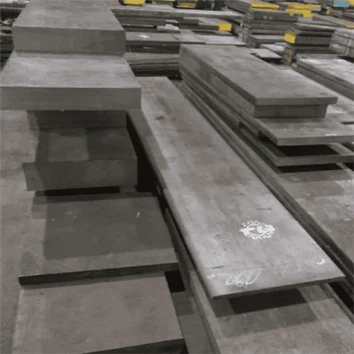
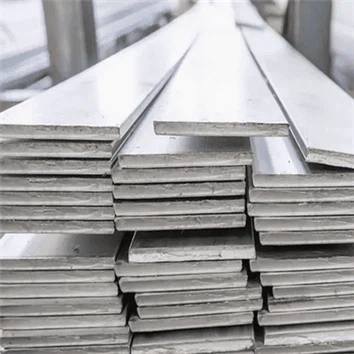
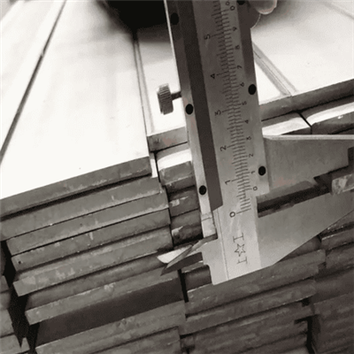


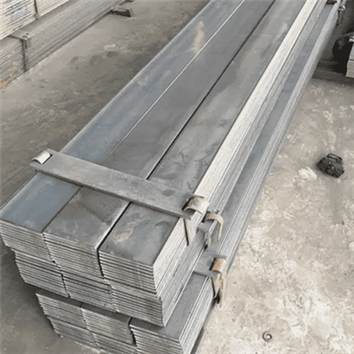

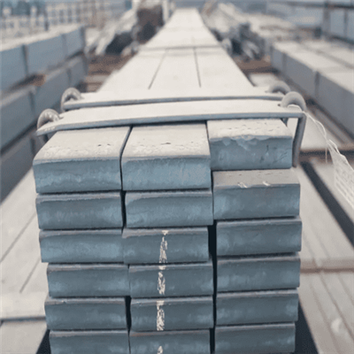


What is Flat Steel ?
Flat steel is a form of steel that is rolled from steel slabs and is used in the production of sheets, plates, structural beams, and strips. These products are extensively served in building & infrastructure, transportation, and electrical appliance industries owing to their unique properties.
Ease For Fabrication
Due to its versatile flat surface design, which allows smooth cutting and easy welding, it helps in easy fabrication. Its versatility makes it easier for efficient production, saving time and money and increasing productivity. Steel bars for construction are the top choice of builders and architects as it is highly malleable and let unique designs and desired shapes be created.
High Strength
One of the main benefits of flat-weight steel for construction is the strength and durability given by this steel, which is light in weight. This makes it the best choice for manufacturing and construction activities, as weight is crucial. Steel is used mainly for constructing structures such as bridges, machinery, and more, as these flat bars are light in weight yet can take heavy load stress.
Corrosion Resistant
Flat-weight steel bars are used for manufacturing and construction as they resist corrosion and rusting. Due to this, the anti-corrosion property can withstand the harsh climate, chemicals, and moisture, requiring low maintenance.
Require Low Maintenance
Due to its low maintenance quality, steel bars ensure high profitability and enhance productivity. The smooth surface of these bars makes cleaning and maintenance easy and quick. As mentioned, these bars are anti-corrosion resistant; this ensures the longevity of the bars.
Reusable
Thanks to their durability and resistance to wear and tear, steel flat bars can also be used and reused a number of times. This makes them beneficial in terms of the cost it takes to use them, and to the environment. They are easy to put together and assemble, and not too complicated to take apart, either, so they are user-friendly in addition to being used many times.
Long Lifespan
When investing in construction or manufacturing materials, durability, and longevity are two key factors that must be considered. Flat bars excel in this area, boasting a remarkably long lifespan compared to other materials. Thanks to their sturdy flat-weight composition and resilience, they can withstand years of heavy use and harsh environmental conditions without suffering significant damage or wear and tear.
They are Cost-Effective
Our flat bars are an excellent choice for businesses that require structural materials without breaking the bank. Their low cost of production and simple fabrication techniques make them incredibly cost-effective.
Wide Applications
The reach of flat bars extends far beyond the construction industry. They play crucial roles in manufacturing, transportation, furniture making, and even everyday household items. You’ll find them in the trusses of wind turbines, the frames of bicycles, the reinforcement bars in concrete, and even the levers on your kitchen appliances. Their ubiquitous presence is a testament to their undeniable utility and adaptability.

● Flat steel, characterized by its broad and thin profile, is widely utilized in manufacturing appliances, automotive components, and construction materials.
● With its extended and often cylindrical form, long steel finds applications in construction, infrastructure, and manufacturing of durable goods.
● Stainless steel, celebrated for its corrosion resistance and aesthetic appeal, is prominently featured in kitchen appliances, architectural structures, and medical equipment.
● Alloy steel, a blend of various metals, is prized for its enhanced strength and durability, making it a preferred choice for aerospace components and automotive parts.
● Carbon steel, known for its strength and affordability, is a staple in construction, shipbuilding, and machinery.
● Lastly, structural steel serves as the backbone of buildings and bridges, offering unparalleled strength and load-bearing capabilities.
Home appliances
Fridges, freezers, microwaves, extractor hoods, and washing machines all use mild steel. The metal is given layers of coatings and its surface is treated to make the products safe, reliable, and long-lasting. It also helps protect against wear and tear, and corrosion. Flat steel bars are also used in garage doors, latches, and heaters, as well as many other elements of residential construction.
Building frames
The parts can be pre-fabricated in the factory, while girders and angles can be bought ready-made, saving time spent building. Steel flat bars function in the same way as hollow steel sections or may be used in many different types of building installations together with hollow steel bars. Steel flat bars are so versatile that they can be made to take any shape and clad with any materials.
Structures within the energy industry
For decades, steel beams and bars have provided the infrastructure for everything from refineries to pressure valves, and are going to come into play more than ever before with renewable energy infrastructure too. They are also used as the foundation in water tower structures and as concrete-reinforcing bars for foundations in water gates, generators and turbines.
Ornamental/artistic pieces
Flat steel bars are so malleable and workable that they lend themselves to endless forms of art, decor and industrial art pieces. From sculptures to modern shelving units, well-chosen steel flat bars can be used in just about anything. Steel sections that go through additional manufacturing processes are given a smoother finish and outer layering, giving pieces of art a cleaner, sharper appearance as well as a more reflective surface.
The Manufacturing Process of Flat Steel
Step 1: Melting
The first step in manufacturing steel flat bars is melting. Steel is made from a combination of iron, chromium, and other elements, such as nickel and molybdenum. These materials are melted in an electric furnace at high temperatures to form liquid steel.
Step 2: Casting
Once the steel has been melted, it is poured into a mold to form a billet. The billet is a solid piece of steel that will be used to make the flat bar. The mold is made of sand, ceramic, or graphite and is designed to give the billet its desired shape.
Step 3: Hot Rolling
After the billet has cooled, it is reheated in a furnace and passed through hot rolling mills. These mills apply pressure to the billet, reducing its thickness and shaping it into a long, flat strip. The hot rolling process can be repeated several times to achieve the desired dimensions and surface finish.
Step 4: Cold Rolling
After hot rolling, the steel flat bar is cold rolled to refine its surface finish and dimensions. Cold rolling involves passing the strip through a set of rollers at room temperature, compressing and stretching the steel. This process also removes any surface imperfections and improves the flatness of the bar.
Step 5: Heat Treatment
After cold rolling, the flat bar is heat treated to improve its mechanical properties. Heat treatment involves heating the steel to a high temperature and then cooling it rapidly to increase its strength and hardness.
Step 6: Finishing
Once the steel flat bar has been heat treated, it is cut to the desired length and shape. The edges of the bar may be chamfered or rounded to reduce the risk of injury during handling. The final step in manufacturing is to polish the bar to give it a shiny, smooth finish.
Flattening Methods
PRESS BRAKE
A press brake is a machine tool that utilizes dies. The metal is placed between a matching set of dies to get the desired shape. The top portion is mobile while the bottom die is stationary. The press brake uses a V-shaped die to do this to give enough room to bend the steel. If it was a flat surface, the steel would just bounce back to the bend. The steel will be placed in the press brake where a bend or bow is, the top press is lowered just enough to bend the steel beyond the yield point. When it’s released, the bend will be flattened out.
ROLLER LEVELING
Roller leveling is essentially a bending process. The steel goes through a series of alternating bends, which are created by going through upper and lower sets of leveling rollers. The rolls can be individually set for precision. The metal moves through like a wave, where the entry has the biggest wave and the smallest is at the exit point. The steel comes out flat because of the alternating bends and decrease in bend intensity.
HEAT TREATMENT
This is not recommended since the steel gets heated above the tempering point. After the steel is heated to a high degree, it needs to be cooled evenly through the quenching process. A cooling medium (water, polymer, or oil) will be used to create the desired grain structure of the steel by spraying the steel from the top and bottom. If the quenching portion is done evenly, the plate will be flat. If for some reason the quench is uneven, the plate may have a slight bend or wave to it. If the plate isn’t within tolerance, the heat treat process isn’t as precise as it could be. In that instance, it is best to use a secondary flattening technique. Many heat treat processes do not control the quench operation to provide a flat surface. In this case, they rely on a subsequent flattening method such as roller leveling or press braking to address the uneven control of quenching.
● The site or warehouse for storing flat steel should be selected in a clean and well-drained place, away from factories and mines that produce harmful gases or dust. Weeds and all sundries should be removed from the site to keep the flat steel clean.
● Some small flat steel, thin steel plates, steel strips, silicon steel sheets, small-diameter or thin-walled steel pipe, various cold-rolled and cold-drawn flat steel, and high-priced and corrosive metal products can be stored in the warehouse.
● In the warehouse, galvanized flat steel shall not be stacked together with materials that are corrosive to flat steel such as acid, alkali, salt, and cement. Different types of flat steel should be stacked separately to prevent muddying and contact erosion.
● Small and medium-sized steel bars, wire rods, steel bars, medium-caliber steel pipes, steel wires, and wire ropes can be stored in a well-ventilated material shed but must be covered with thatch.
● Large steel sections, rails, steel plates, large-diameter steel pipes, forgings, etc. can be stacked in the open air.
Our Factory
FAQ
We're professional flat steel manufacturers and suppliers in China, specialized in providing high quality customized service. If you're going to buy discount flat steel made in China, welcome to get pricelist from our factory. For price consultation, contact us.
flat steel for elasticity materials, alloy steel flat bar, flat stock steel