


S355JR and S355J0 structural steel are widely used non-alloy structural steel grades specified under EN 10025-2, commonly applied in construction, bridges, machinery fabrication, and steel structures.
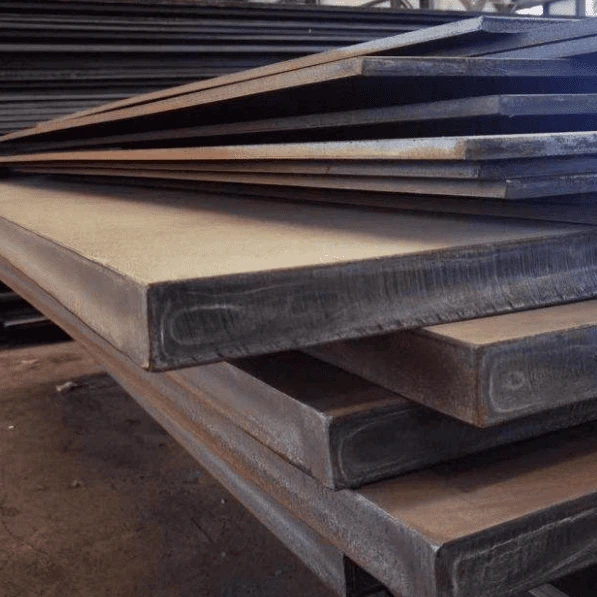
S355JR
Within the first glance, S355JR vs S355J0 appear very similar. Both grades offer a minimum yield strength of 355 MPa, making them suitable for medium- to high-strength structural applications. However, the real difference lies not in strength, but in impact test temperature requirements, which directly affect their application environments.
As a professional structural steel manufacturer and supplier, GNEE Steel provides EN 10025-2 certified S355JR and S355J0 steel plates, sections, and fabricated components. With stable mill sources and strict quality control, we help global projects select the right grade for long-term safety and performance.
Chemical Composition of S355JR vs S355J0 Structural Steel
Although S355JR and S355J0 belong to the same standard, their chemical composition limits differ slightly, mainly in carbon, phosphorus, and sulfur content.
Chemical Composition Comparison (%)
| Grade | C (max) | Si (max) | Mn (max) | P (max) | S (max) | Cu (max) | N (max) |
|---|---|---|---|---|---|---|---|
| S355JR | 0.27 | 0.60 | 1.70 | 0.045 | 0.045 | 0.60 | 0.014 |
| S355J0 | 0.24 | 0.60 | 1.70 | 0.040 | 0.040 | 0.60 | 0.014 |
Mechanical Properties of S355JR vs S355J0 Structural Steel
From a mechanical strength perspective, S355JR and S355J0 steel are almost identical. The major distinction again comes from impact testing temperature, not yield or tensile strength.
Mechanical Properties Table
| Grade | Yield Strength ReH (t ≤ 16mm) MPa | Tensile Strength Rm MPa | Elongation A (%) | Impact Test Temp (°C) | Min Impact Energy (J) |
|---|---|---|---|---|---|
| S355JR | 355 | 450–680 | ≥22 | +20 | 27 |
| S355J0 | 355 | 450–680 | ≥22 | 0 | 27 |
Impact Test Requirement: The Core Difference Between S355JR and S355J0
The JR and J0 designation in EN 10025-2 steel grades refers specifically to Charpy V-notch impact testing temperature.
S355JR: Impact tested at +20°C
S355J0: Impact tested at 0°C
This is the main and most critical difference between S355JR vs S355J0 structural steel.
Why Impact Test Temperature Matters
Determines steel's resistance to brittle fracture
Directly affects performance in cold or variable climates
Influences safety margins in load-bearing structures
For projects exposed to lower ambient temperatures, S355J0 offers higher reliability and toughness stability.
S355JR vs S355J0: Application Scenarios and Selection Guide
Choosing between S355JR and S355J0 structural steel depends largely on service temperature and safety requirements.
Typical Applications of S355JR Structural Steel
Standard building structures
Steel frames in mild climates
Industrial platforms
Machinery bases
Typical Applications of S355J0 Structural Steel
Bridges and infrastructure
Outdoor steel structures
Low-temperature environments
Load-bearing components requiring higher impact safety
Why Choose GNEE as Your S355 Structural Steel Supplier?
As an experienced EN 10025-2 structural steel manufacturer and exporter, GNEE offers:
- Full traceability with EN 10204 3.1 certificates
- Stable supply of S355JR & S355J0 steel plates and sections
- Strict chemical & mechanical testing
- Support for SGS / BV / TUV third-party inspection
- Professional export packing for sea freight
In summary, while S355JR vs S355J0 structural steel share the same strength level under EN 10025-2, the impact test temperature requirement is the decisive difference.
S355JR is suitable for standard structural applications
S355J0 provides better toughness at lower temperatures
Selecting the correct grade ensures long-term structural safety, compliance, and cost efficiency.
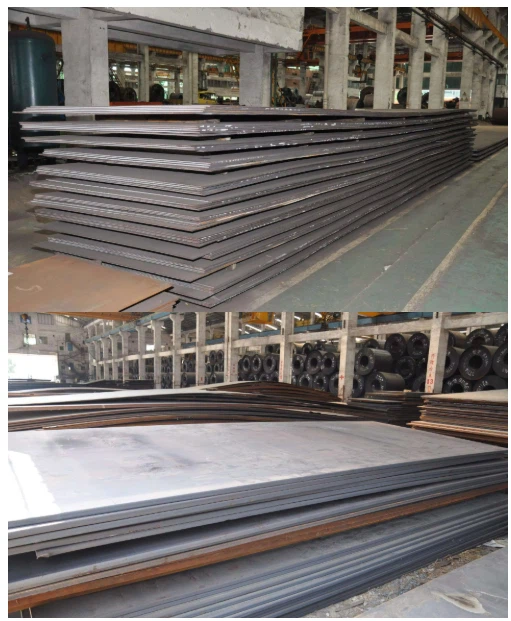
What is S355JR equivalent to?
S355JR equivalent grades have very close chemical composition and mechanical properties to that of S355JR steel. Both the S355JR equivalent grades Q345B, A572 Gr 50, ST52-3, SM490B and S355JR steel are main products of Gnee steel.
What is the difference between S275JR and S355JR?
S275JR: Offers a minimum yield strength of 275 MPa for thicknesses up to 16 mm. This makes it suitable for applications where moderate strength is sufficient. S355JR: Provides a higher minimum yield strength of 355 MPa for thicknesses up to 16 mm, making it ideal for projects requiring greater load-bearing capacity.
What is S355JR steel?
355JR is a grade of low-carbon steel commonly used in structural applications. It is part of the 'S' family of steels, which includes S235, S275, and S355 grades. The "JR" designation means that the material has been subjected to a Charpy V-notch impact test at 208℃ and has a minimum impact strength of 27 Joules.