


What Is the Difference Between HEA 240 and HEB 240 Steel Beams?
HEA 240 and HEB 240 are two common European hot-rolled H-section steel beams manufactured according to EN 10365. Both profiles belong to the European HE wide-flange beam family and have a nominal flange width of 240 mm. However, they differ in section height, web thickness, flange thickness, cross-sectional area and theoretical weight.
The main difference between HEA 240 and HEB 240 is their profile series. HEA 240 belongs to the light series, while HEB 240 belongs to the standard-weight series. HEA 240 has a theoretical weight of approximately 60.3 kg/m, whereas HEB 240 weighs approximately 83.2 kg/m.
Compared with HEA 240, HEB 240 has thicker flanges and a thicker web, resulting in a larger cross-sectional area and higher section properties.
Therefore, HEB 240 is often considered for structural members requiring greater stiffness and resistance. HEA 240 can be a suitable alternative when reducing structural weight and material consumption is a priority.
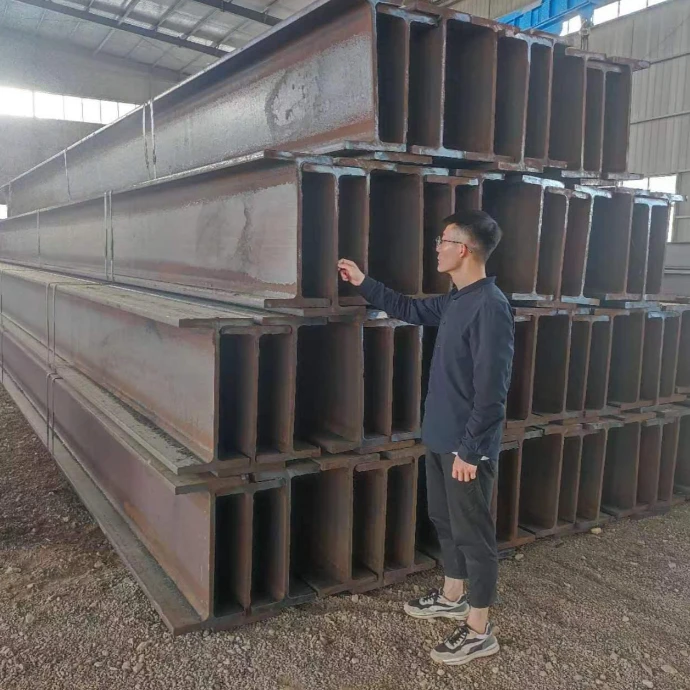
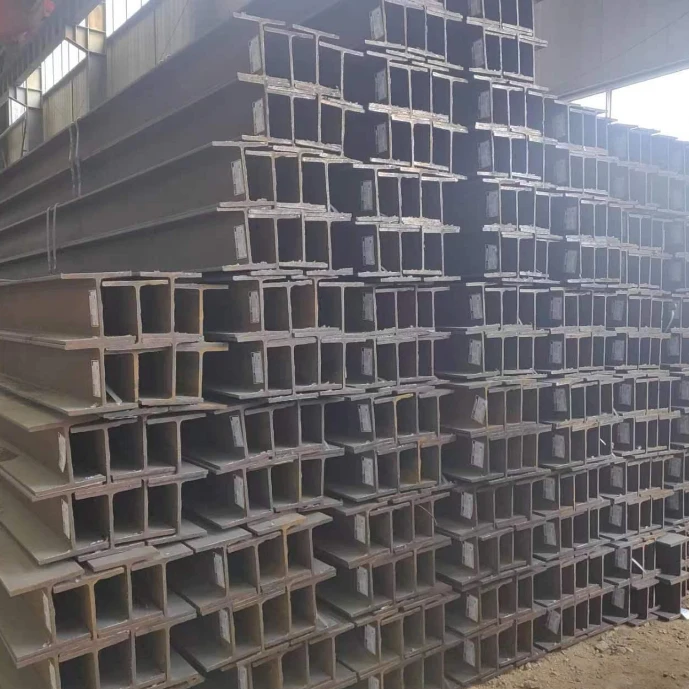
HEA 240 vs HEB 240 Dimensions: What Are the Main Differences?
Dimensions are the first specifications buyers should check when comparing HEA 240 and HEB 240 steel beams. Although both profiles have a nominal flange width of 240 mm, their section heights and thicknesses are different.
HEA 240 and HEB 240 Dimensions Comparison Table
| Parameters | HEA 240 | HEB 240 |
|---|---|---|
| Profile series | Light series | Standard-weight series |
| Section height (h) | 230 mm | 240 mm |
| Flange width (b) | 240 mm | 240 mm |
| Web thickness (tw) | 7.5 mm | 10 mm |
| Flange thickness (tf) | 12 mm | 17 mm |
| Root radius (r) | 21 mm | 21 mm |
| Cross-sectional area (A) | 76.8 cm² | 106 cm² |
| Theoretical weight | 60.3 kg/m | 83.2 kg/m |
| Standard | EN 10365 | EN 10365 |
As shown in the table, HEA 240 has a section height of 230 mm, while HEB 240 has a height of 240 mm. More importantly, the HEB 240 web is 10 mm thick and its flange is 17 mm thick, compared with 7.5 mm and 12 mm respectively for HEA 240.
The difference in thickness contributes to the larger cross-sectional area of HEB 240. Its area is approximately 106 cm², compared with 76.8 cm² for HEA 240, representing an increase of around 38%.
HEA 240 Dimensions and HEB 240 Dimensions: Why Do Thicknesses Matter?
The web mainly contributes to the beam's shear resistance, while the flanges play an important role in resisting bending. The thicker web and flanges of HEB 240 provide a larger section and different structural characteristics compared with HEA 240.
HEA 240 vs HEB 240 Weight: How Much Does Each H Beam Weigh?
The weight of an H beam is an important factor in material purchasing, transportation and structural dead-load calculations. When comparing HEA 240 vs HEB 240, the difference in theoretical unit weight is approximately 22.9 kg/m.
HEA 240 Weight per Meter vs HEB 240 Weight per Meter
| Beam Length | HEA 240 Weight | HEB 240 Weight | Weight Difference |
|---|---|---|---|
| 6 meters | 361.8 kg | 499.2 kg | 137.4 kg |
| 9 meters | 542.7 kg | 748.8 kg | 206.1 kg |
| 12 meters | 723.6 kg | 998.4 kg | 274.8 kg |
For a 12-meter beam, HEB 240 weighs approximately 274.8 kg more than HEA 240. For large construction projects involving hundreds or thousands of meters of H-section steel, this difference can significantly affect total material weight, transportation arrangements and installation planning.
For example, if a project requires 100 pieces of 12-meter beams, the estimated total weight would be:
100 pieces of HEA 240: approximately 72.36 metric tons.
100 pieces of HEB 240: approximately 99.84 metric tons.
Total weight difference: approximately 27.48 metric tons.
Buyers should remember that these figures are theoretical calculations based on nominal unit weights. Actual delivery weights may vary within applicable manufacturing tolerances.
HEA 240 vs HEB 240 Section Properties: Which Has Better Structural Performance?
In addition to dimensions and weight, section properties are essential when evaluating HEA 240 and HEB 240 structural steel beams. Important parameters include cross-sectional area, moment of inertia, elastic section modulus and radius of gyration.
HEA 240 and HEB 240 Section Properties Comparison
| Section Properties | HEA 240 | HEB 240 |
|---|---|---|
| Cross-sectional area (cm²) | 76.8 | 106 |
| Moment of inertia Iy (cm⁴) | 7,763 | 11,260 |
| Moment of inertia Iz (cm⁴) | 2,769 | 3,923 |
| Elastic section modulus Wel,y (cm³) | 675.1 | 938.3 |
| Elastic section modulus Wel,z (cm³) | 230.7 | 326.9 |
| Plastic section modulus Wpl,y (cm³) | 744.6 | 1,053 |
| Plastic section modulus Wpl,z (cm³) | 351.7 | 498.4 |
| Radius of gyration iy (cm) | 10.05 | 10.31 |
| Radius of gyration iz (cm) | 6.00 | 6.08 |
HEA 240 vs HEB 240 Cross-Sectional Area
HEB 240 has a cross-sectional area of approximately 106 cm², while HEA 240 has an area of approximately 76.8 cm². The larger area means that HEB 240 contains more steel material per unit length, which can contribute to greater axial resistance under comparable conditions.
HEA 240 vs HEB 240 Moment of Inertia
The moment of inertia measures a beam's resistance to bending deformation around a particular axis. HEB 240 has a strong-axis moment of inertia of approximately 11,260 cm⁴, compared with 7,763 cm⁴ for HEA 240.
This means that HEB 240 has approximately 45% higher strong-axis bending stiffness based on the listed section properties. Its weak-axis moment of inertia is also higher, which is relevant when evaluating structural behavior in different directions.
HEA 240 vs HEB 240 Section Modulus
The elastic section modulus is used in calculating bending resistance. HEB 240 has a strong-axis elastic section modulus of approximately 938.3 cm³, while HEA 240 has approximately 675.1 cm³.
These differences indicate that HEB 240 generally offers higher section resistance under comparable design conditions. However, the actual load-bearing capacity of a structural beam depends on steel grade, member length, support conditions, buckling resistance, load combinations and the applicable design code.
HEA 240 and HEB 240 Steel Grades: S275JR, S355JR and S355J0
Apart from profile dimensions, steel grade is another important factor when purchasing HEA 240 and HEB 240 steel beams. European structural H-sections are commonly supplied in grades specified under EN 10025-2.
Common structural steel grades include S235JR, S275JR, S355JR and S355J0. Different grades provide different yield strength and impact properties, making them suitable for different structural design requirements.
HEA 240 and HEB 240 Mechanical Properties Comparison
| Steel Grade | Standard | Yield Strength for t ≤ 16 mm | Yield Strength for 16 mm < t ≤ 40 mm | Tensile Strength |
|---|---|---|---|---|
| S235JR | EN 10025-2 | ≥235 MPa | ≥225 MPa | 360–510 MPa |
| S275JR | EN 10025-2 | ≥275 MPa | ≥265 MPa | 410–560 MPa |
| S355JR | EN 10025-2 | ≥355 MPa | ≥345 MPa | 470–630 MPa |
| S355J0 | EN 10025-2 | ≥355 MPa | ≥345 MPa | 470–630 MPa |
The JR and J0 designations indicate different impact-test temperature requirements. JR grades specify a minimum impact energy of 27 J at +20°C, while J0 grades specify 27 J at 0°C.
For HEA 240, the web is 7.5 mm thick and the flange is 12 mm thick. For HEB 240, the web is 10 mm thick and the flange is 17 mm thick. Therefore, when checking the mechanical properties of HEB 240, buyers and engineers should pay particular attention to the thickness range applicable to its 17 mm flange.
The final steel grade should be selected according to project specifications, design calculations and the required impact properties.
HEA 240 vs HEB 240 Applications: Where Are These H Beams Used?
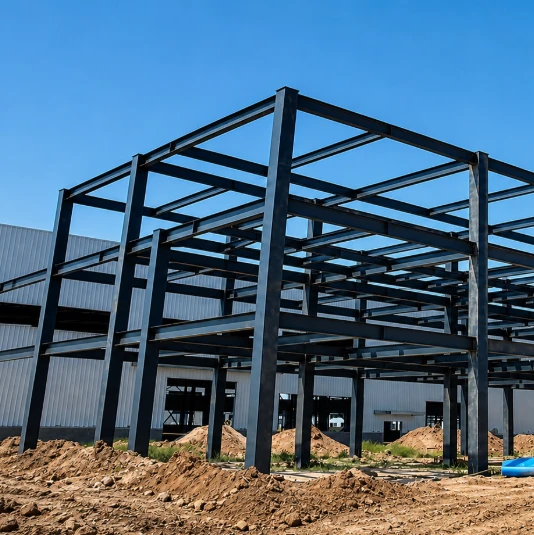
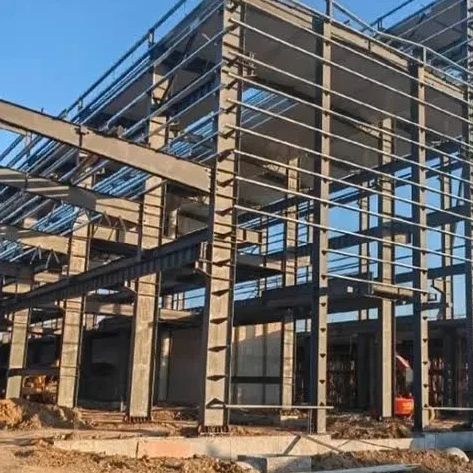
HEA 240 and HEB 240 are both widely used in steel structures, industrial buildings and construction projects. However, their different section properties make them suitable for different structural requirements.
HEA 240 Steel Beam Applications
HEA 240 is a light-series European H-section steel beam. Its relatively low unit weight makes it suitable for projects where reducing structural dead load and material consumption is important.
- Common applications include:
- Steel building frames and secondary beams.
- Factory and warehouse structures.
- Roof support systems.
- Commercial building structures.
- Industrial platforms and supporting members.
Structural applications where a lighter section meets engineering requirements.
HEB 240 Structural H Beam Steel Applications
HEB 240 belongs to the standard-weight series and has thicker flanges and a thicker web than HEA 240. Its larger cross-sectional area and higher section properties make it suitable for structural applications requiring greater stiffness and resistance.
Common applications include:
- Steel building columns and main structural frames.
- Industrial workshops and heavy-duty factory buildings.
- Warehouse structural systems.
- Supporting members in industrial facilities.
- Structural frames with higher load or stiffness requirements.
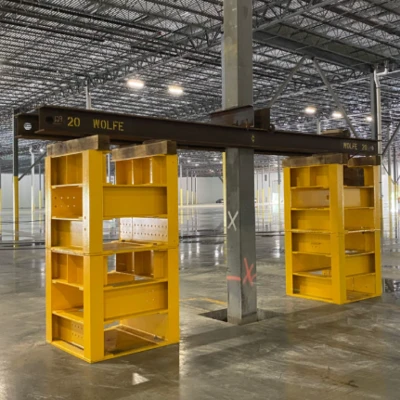
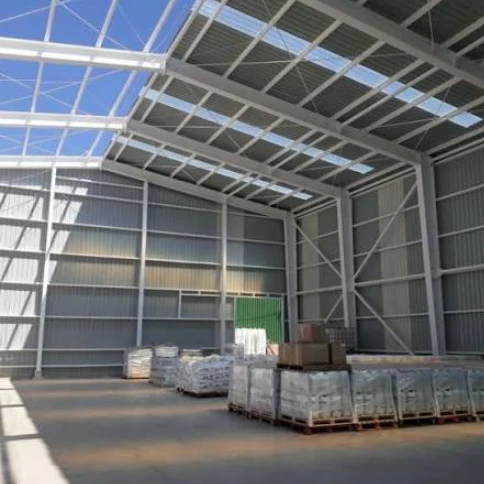
HEB 240 Hot Rolled H Beam and HEA 240 Hot Rolled H Beam: How to Choose?
Both HEA 240 and HEB 240 are hot-rolled European H-section profiles. The choice between them should not be based on the product name alone.
Choose HEA 240 when its section properties satisfy the engineering requirements and reducing structural weight is a priority.
Choose HEB 240 when the project requires a larger cross-sectional area, thicker flanges and web, or higher section stiffness and resistance.
For applications such as factory buildings, warehouses and industrial structures, engineers should evaluate the actual loads, member length, support conditions, deflection limits and buckling resistance before selecting the profile.
S275J0 H Beam Export Case: 1,600 Tons of Structural Steel Delivered to the Philippines
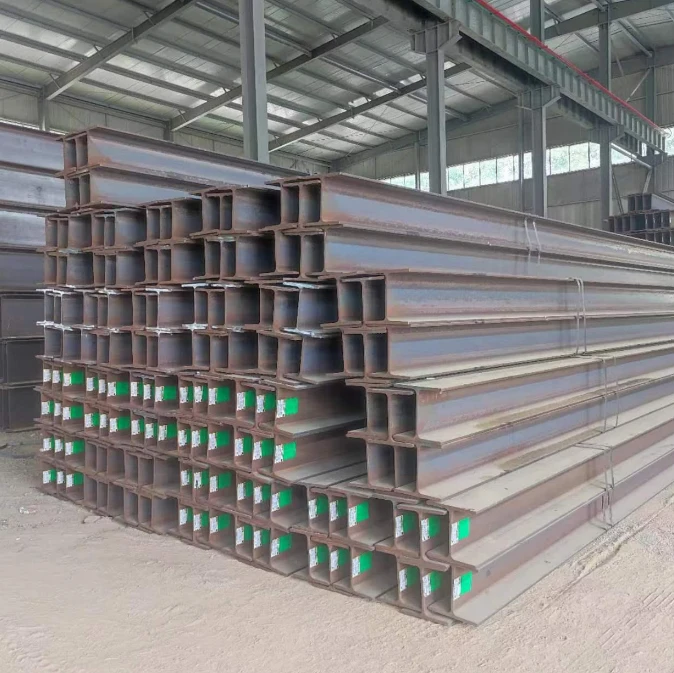
Gnee has experience supplying large-volume H-section steel for overseas construction projects. One example is a 1,600-ton S275J0 H-beam order exported to the Philippines for workshop construction.
This project demonstrates our experience in handling large structural steel orders, coordinating quality inspection and supporting long-term cooperation with international customers.
Project Overview: 1,600 Tons of S275J0 H Beams
| Project Information | Details |
|---|---|
| Product | H-beam |
| Steel Grade | S275J0 |
| Total Quantity | 1,600 Metric Tons |
| Destination | Philippines |
| Application | Workshop Construction |
| Customer Relationship | Cooperation since 2015 |
| Inspection | TÜV third-party inspection |
| Inspection Documentation | 3.2 inspection certificate |
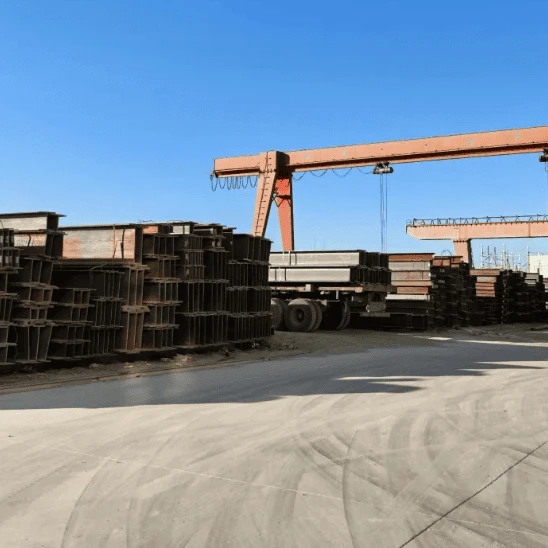
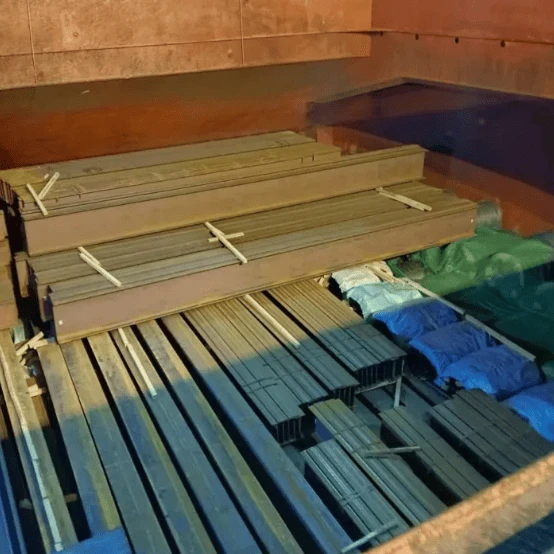
TÜV Third-Party Inspection and Quality Documentation
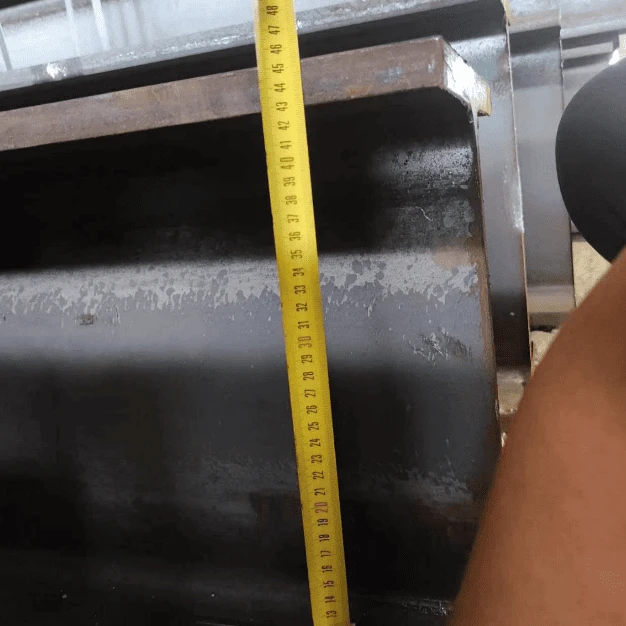
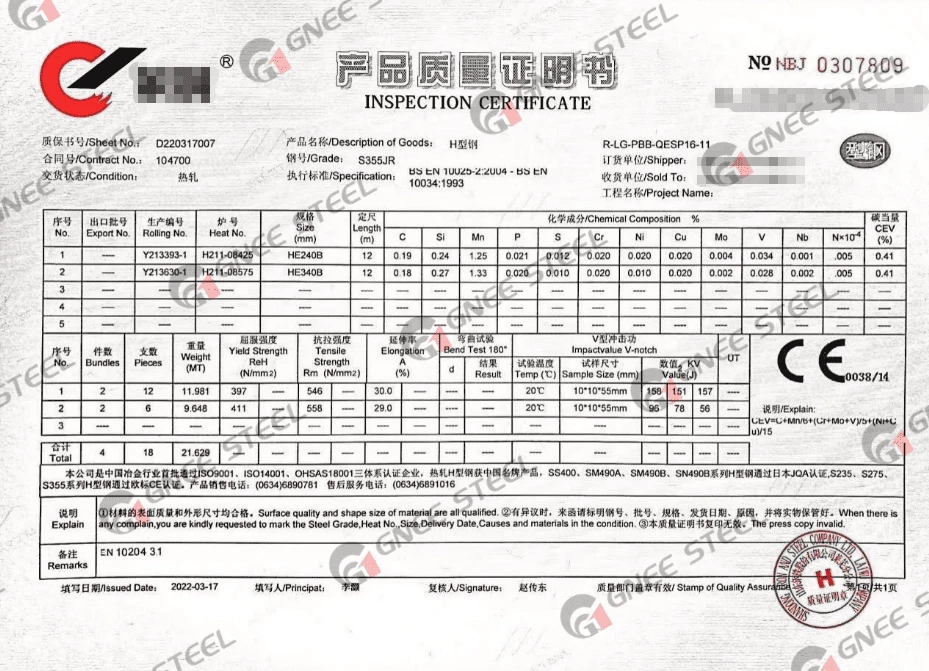
For this Philippine project, third-party inspection was arranged through TÜV, and a 3.2 inspection certificate was provided as part of the inspection documentation.
The customer relationship began in 2015, with repeat monthly orders demonstrating the importance of stable product quality, reliable supply coordination and long-term cooperation in international steel trading.
This case demonstrates Gnee's ability to coordinate large-volume H-beam supply for overseas construction projects. The available project information confirms the S275J0 H-beam grade and total order quantity; it does not specify that the shipment consisted specifically of HEA 240 or HEB 240 profiles.
For buyers looking for HEA 240, HEB 240 or other European wide-flange H-section products, Gnee can assist with specification confirmation, grade selection and export procurement arrangements.
What Should Buyers Check When Purchasing HEA 240 and HEB 240 Steel Beams?
When purchasing HEA 240 or HEB 240 steel beams, buyers should confirm more than just the profile designation. The following specifications are important for accurate quotations and successful project delivery.
Profile designation: Confirm whether the required section is HEA 240 or HEB 240.
Steel grade: Specify the required grade, such as S235JR, S275JR, S355JR or S355J0.
Dimensions and tolerances: Confirm compliance with EN 10365 and EN 10034.
Material standard: Check the required material grade under EN 10025-2.
Length: Specify standard or customized lengths, such as 6 m, 9 m or 12 m.
Inspection documents: Confirm whether EN 10204 3.1 certificates or third-party inspection are required.
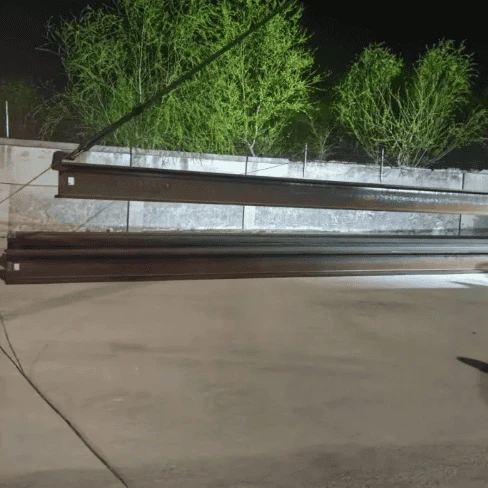
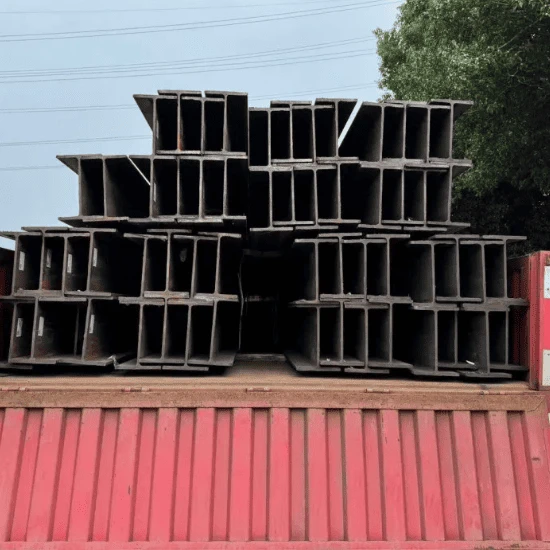
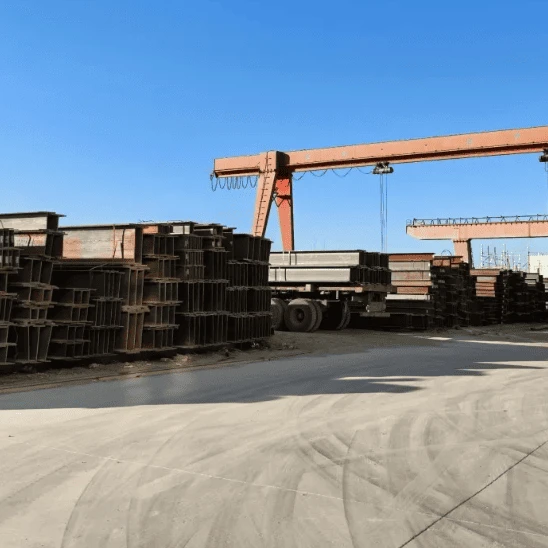
Packing and shipping: Specify marking, bundling, export packaging and destination port.
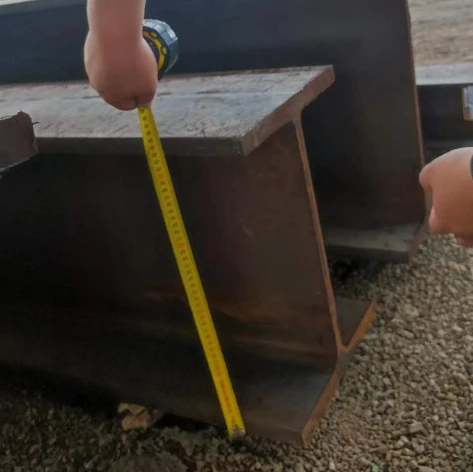
Providing complete purchasing requirements helps suppliers prepare accurate quotations and reduces the risk of ordering the wrong European H-section profile.
Buy HEA 240 And HEB 240 Steel Beams From Gnee
Gnee supplies European standard H-section steel beams for structural construction and industrial projects. Whether you are looking for HEA 240 light-series beams, HEB 240 standard-series beam or other European wide-flange H-section products, we can assist with product specification confirmation and export procurement.
Our supply services include:
- HEA and HEB European H-section steel beams.
- Multiple structural steel grades, subject to stock and production availability.
- Standard and customized lengths, subject to confirmation.
- Product dimensions and theoretical weight confirmation.
- Quality inspection and mill test documentation.
- Third-party inspection coordination when required.
- Export packing and international shipping coordination.
If you are sourcing HEA 240 or HEB 240 steel beams, send us your required steel grade, quantity, length and destination port. Our team can help confirm the specifications and prepare a quotation for your project.
Need HEA 240 or HEB 240 steel beams? Contact Gnee today for product specifications, availability and a competitive quotation.