


The Benefits Of Using SA537 Class 1 Plates
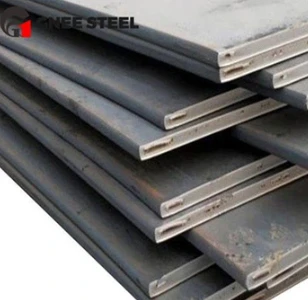
Industrial processes require high-quality materials that can withstand harsh environments and extreme temperatures. SA537 Class 1 plates are one such material that offers excellent strength and durability under such conditions. These steel plates have been heat-treated and are commonly used in various industries. This blog post will explore the benefits of using SA537 Class 1 plates and why they are popular in various industrial processes.
SA537 Class 1 refers to ASTM A537/ASME SA537 Class 1 steel plates, a heat-treated, normalized carbon-manganese-silicon steel specifically designed for fusion-welded boilers, pressure vessels, and storage tanks, offering high strength, toughness, and good weldability for applications in the oil, gas, and petrochemical industries. Key characteristics include its normalized condition, improved yield/tensile strength over standard grades, and suitability for moderate temperatures and pressures, with potential Charpy V-notch testing for low-temperature toughness.
Resilience under pressure
SA537 Class 1 plates are known for their high strength and toughness, making them ideal for applications requiring high-pressure resistance levels. These plates can easily withstand high-pressure environments where other steel plates would fail. They are primarily used in pressure vessels, boilers, and storage tanks, where they can ensure the safety and integrity of the system.
Superior toughness
The plates' ability to withstand extreme temperatures and harsh environments is due to the advanced heat treatment that they undergo. The heat treatment enhances the steel's toughness, making it highly resistant to cracking and deformation. This makes the SA537 Class 1 plates ideal for use in harsh environments that involve exposure to heat, chemicals, and other corrosive substances.
Cost-effective
Using SA537 Class 1 plates can prove more cost-effective than other types of steel plates. The plates' durability and resilience translate to long-term savings since they will not need frequent maintenance or replacements compared to other steel plates. The plates' excellent welding properties also make them an ideal choice for fabrication, where they can save time and resources.
Versatility
SA537 Class 1 plates can be customised to suit various industrial applications. This customisation option extends to size, thickness and finishes, which make these plates an excellent choice for specialised applications. They are used in many industries, such as petrochemicals, power generation, and offshore oil and gas.
Compliance with safety regulations
SA537 Class 1 plates can help industries comply with safety regulations and standards. These plates meet the requirements of several international safety standards that outline the safety measures companies must implement during their industrial processes. Therefore, using these plates ensures the business complies with safety standards.
Conclusion
SA537 Class 1 plates provide an excellent solution for industries that require high-strength steel plates that can withstand harsh environments. The plates' advanced heat treatment, durability, toughness, and excellent welding properties make them an ideal choice for many applications. The plates are also customisable, cost-effective and ideal for complying with safety standards. Therefore, incorporating SA537 Class 1 plates into your industrial processes can provide long-term benefits that translate to better performance, safety, and cost savings.
1.What is SA537 Class 1?
SA537 Class 1 is a specification for heat-treated carbon-manganese-silicon steel plates, primarily used for welded pressure vessels, offering good notch toughness at lower temperatures.
2.What is the difference between SA537 Class 1 and Class 2?
The main difference is in heat treatment and strength. Class 1 is supplied in the normalized or stress-relieved condition with lower strength, while Class 2 is quenched and tempered, offering higher strength levels.
3.What are the mechanical properties of SA537 Class 1?
For plates up to 2.5 inches thick, typical properties include a minimum tensile strength of 70-90 ksi (485-620 MPa) and a minimum yield strength of 50 ksi (345 MPa).
4.What is the chemical composition of SA537 Class 1?
It is a carbon-manganese-silicon steel with typical maximums of 0.24% Carbon, 1.35% Manganese, and 0.15-0.50% Silicon, along with controlled phosphorus and sulfur.
5.Is SA537 Class 1 a carbon steel or alloy steel?
It is technically classified as a high-strength carbon steel, often referred to as a carbon-manganese-silicon steel, but its properties are achieved through heat treatment rather than high alloy content.
6.What is the Charpy impact requirement for SA537 Class 1?
SA537 Class 1 typically requires Charpy V-Notch impact testing at -50°F (-46°C) with minimum average energy absorption of 25 ft-lbs (34 J) for plates over 0.75 inches thick.
7.Where is SA537 Class 1 commonly used?
It is widely used for pressure vessels, storage tanks, and structural applications in industries like oil and gas, construction, and mining, especially where good low-temperature toughness is needed.
8.Can SA537 Class 1 be welded easily?
Yes, it has good weldability. However, proper procedures should be followed, including potential preheat for thicker sections, and using compatible low-hydrogen electrodes to avoid cracking.
9.What is the heat treatment for SA537 Class 1 plates?
SA537 Class 1 plates are supplied in either the normalized or stress-relieved condition, as specified by the purchaser, to achieve the required mechanical properties.
10.Is SA537 Class 1 suitable for low-temperature service?
Yes, due to its normalized heat treatment and composition, SA537 Class 1 offers good notch toughness and is commonly used for applications down to -50°F (-46°C) and lower, depending on thickness and impact test results.
Full specification and details are available on request. The above information is provided for guidance purposes only. For specific design requirements please contact our technical sales staff.
