


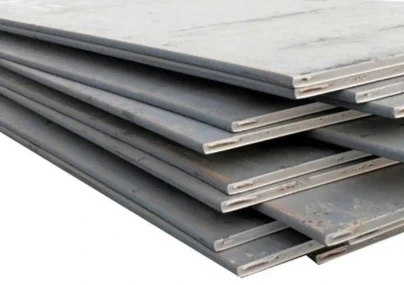
P420M is a quenched and tempered high-strength pressure vessel steel plate specified in the European standard EN 10028-6. It is designed for use in the fabrication of pressure vessels and boilers operating at elevated temperatures, offering excellent mechanical properties such as high tensile strength, good toughness, and satisfactory weldability. With a minimum yield strength of 420 MPa, P420M is suitable for applications requiring reliable performance under high pressure and harsh service conditions.
|
EN10028-5 P420M Chemical Composition |
|||||||
|
Grade |
The Element Max (%) |
||||||
|
C |
Si |
Mn |
P |
S |
Al |
N |
|
|
P420M |
0,16 |
0,50 |
1,70 |
0,025 |
0,020 |
0,020 |
0,020 |
|
Nb |
V |
Ti |
Ni |
Mo |
|
|
|
|
0,05 |
0,10 |
0,05 |
0,50 |
0,20 |
|
|
|
|
Grade |
P420M Mechanical Property |
|||
|
Thickness |
Yield |
Tensile |
Elongation |
|
|
P420M |
mm |
Min Mpa |
Mpa |
Min % |
|
6-16 |
420 |
500-660 |
19% |
|
|
16-40 |
400 |
500-660 |
19% |
|
|
40-63 |
390 |
500-660 |
19% |
|
Applications of P420M
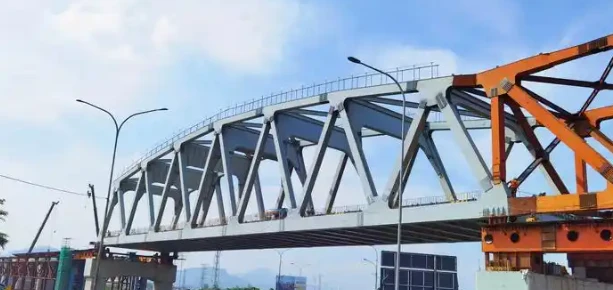
Pressure Vessel Fabrication: As a core application, P420M is widely used to make pressure vessels for chemical, petrochemical, and pharmaceutical industries. It is suitable for vessels storing and transporting high-pressure media like natural gas, petroleum products, and chemical reagents, thanks to its excellent pressure-bearing capacity.
Boiler and Thermal Equipment: It is applied in manufacturing boiler drums, heat exchangers, and thermal power station components. These devices operate at elevated temperatures and pressures, and P420M's good high-temperature stability meets the operational requirements.
Oil and Gas Industry: Used in onshore and offshore oil/gas pipelines, wellheads, and gathering systems. It resists corrosion and pressure, adapting to harsh oilfield environments such as high salinity and variable temperatures.
Heavy Machinery Manufacturing: Employed in the production of heavy-duty machine frames, hydraulic cylinders, and pressure-resistant parts. Its high tensile strength ensures the machinery's load-bearing capacity and operational safety.
Nuclear Power Auxiliary Equipment: Used for non-core pressure components in nuclear power plants, such as auxiliary containers and pipelines, complying with strict safety and mechanical property standards.
Application Conditions of P420M
Pressure and Temperature Range: Suitable for working pressures up to 10-30 MPa and temperatures between -20℃ and 400℃. Exceeding this range may reduce its mechanical properties and service life.
Medium Compatibility: Compatible with non-corrosive or weakly corrosive media (e.g., natural gas, water vapor). Avoid contact with strong acids, alkalis, or chloride-containing media without anti-corrosion treatment.
Welding Requirements: Must use matching welding materials (e.g., E8018-B2 electrodes) and strict welding processes. Preheating (100-150℃) and post-weld heat treatment are required to prevent welding cracks.
Environmental Conditions: Suitable for indoor or outdoor environments with little pollution. For harsh environments (e.g., coastal, industrial areas), additional anti-corrosion measures (painting, galvanizing) are needed.
Quality Inspection Standards: Before application, must pass flaw detection (ultrasonic, radiographic), mechanical property testing (tensile, impact), and chemical composition analysis to meet EN 10028-6 standards.
processing flow
• Raw Material Preparation: Selecting high‑purity molten steel with controlled chemical composition to meet EN 10028‑6 requirements. The steel is cast into ingots or continuously cast slabs.
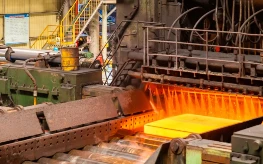
• Heating: Charging the slabs into a reheating furnace and heating them to a temperature range of approximately 1100–1250°C. This ensures uniform microstructure and workability for subsequent rolling.
• Hot Rolling: Rolling the heated slabs into plates of the required thickness using a controlled rolling process. This step refines the grain structure and enhances strength and toughness.
• Quenching: Rapidly cooling the rolled plates in a quenching medium such as water or polymer solution. This forms a hard, fine‑grained martensitic structure.
• Tempering: Reheating the quenched plates to a temperature typically between 550–650°C, followed by controlled cooling. This relieves internal stresses, improves toughness, and stabilizes the final mechanical properties.
• Descaling and Surface Treatment: Removing oxide scales through shot blasting or pickling, then performing necessary surface conditioning to ensure good weldability and coating adhesion.
• Inspection and Testing: Conducting ultrasonic testing, mechanical property tests (tensile, impact, hardness), and chemical analysis to verify compliance with standards.
• Cutting and Shaping: Using flame cutting, plasma cutting, or machining to cut the plates into required dimensions, followed by forming, bending, or machining as needed for final fabrication.
For more details about GNEE's steel products, contact us at beam@gneesteelgroup.com. We look forward to working with you.
What is P420M steel primarily used for?
P420M is a high-strength, quenched and tempered steel plate mainly used in offshore structures, such as jackets, platforms, and subsea equipment. It offers excellent toughness at low temperatures, good weldability, and high fatigue resistance, making it suitable for harsh marine environments where reliability and structural integrity are critical.
What are the key mechanical properties of P420M?
P420M typically has a minimum yield strength of 420 MPa and a tensile strength ranging from 520 to 680 MPa. It exhibits good toughness with a minimum Charpy V-notch impact energy of 40 J at -20°C or lower, depending on thickness. The steel also has high ductility and fatigue strength, essential for heavy-duty offshore applications.
How does P420M differ from standard carbon steel?
Compared to standard carbon steel, P420M has a much higher yield and tensile strength due to its quenched and tempered microstructure. It also provides superior toughness, especially at low temperatures, and better weldability and fatigue resistance. These properties allow for lighter, stronger structures in offshore and other demanding engineering applications.
What standards govern the production of P420M steel?
P420M is commonly produced according to EN 10225, a European standard specifying technical delivery conditions for weldable structural steels for offshore structures. This standard defines requirements for chemical composition, mechanical properties, impact testing, and non-destructive examination to ensure consistent quality and performance in marine environments.
What is the typical chemical composition range of P420M?
P420M generally contains low carbon (max 0.20%), moderate manganese (1.00–1.60%), and controlled amounts of silicon, phosphorus, and sulfur. It may also include microalloying elements such as niobium, vanadium, and titanium to refine the grain structure and enhance strength and toughness. The composition is carefully balanced to ensure weldability and resistance to brittle fracture.
What heat treatment processes are applied to P420M?
P420M is subjected to quenching and tempering. Quenching involves rapid cooling from austenitizing temperature to form a hard martensitic structure, while tempering at a lower temperature reduces hardness and improves toughness and ductility. This combination results in a fine-grained, high-strength microstructure with good impact properties.
What is the maximum thickness available for P420M plates?
P420M is commonly produced in thicknesses from 6 mm up to around 150 mm, depending on the manufacturer and specific project requirements. Thicker plates require careful control of chemistry and heat treatment to ensure uniform mechanical properties through the section, particularly toughness and weldability in critical offshore components.
How does P420M perform in low-temperature environments?
P420M is designed to maintain good toughness at low temperatures, often specified with Charpy impact values at -20°C or -40°C. This makes it suitable for cold offshore regions where steels can become brittle. The fine-grained microstructure and controlled impurities minimize the risk of brittle fracture under severe loading and low temperatures.
What welding processes are suitable for P420M?
P420M can be welded using common processes such as SMAW, GMAW, FCAW, and SAW. Preheating and interpass temperature control are important to prevent hydrogen-induced cracking, especially in thicker sections. Low-hydrogen consumables and proper post-weld heat treatment may also be recommended to ensure joint integrity and toughness.
What preheating is required when welding P420M?
Preheating temperatures for P420M typically range from 80°C to 150°C, depending on plate thickness, welding process, and ambient conditions. Thicker plates and higher restraint joints may require higher preheat to reduce cooling rates and minimize the risk of cold cracking. Proper preheating also helps remove moisture and improve weld quality.