


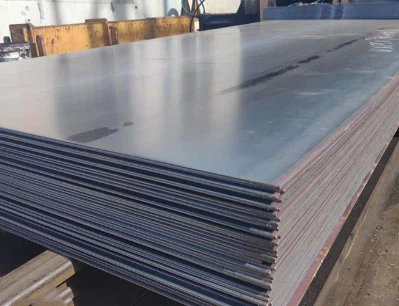
EN 10028-3 Grade P355N is a weldable fine-grained pressure vessel steel delivered in normalized condition, with "P" for pressure equipment use, "355" meaning ≥355 MPa yield strength for ≤16 mm plates, and "N" for normalized treatment that refines grain and boosts mechanical performance. It features well-controlled chemistry and excellent weldability, with tensile strength 490-630 MPa and ≥22% elongation. Boasting good low-temperature toughness, it's widely used for pressure vessels, boilers, heat exchangers in petrochemical, power generation and chemical industries, and adapts to common metal processing methods.
Technical Specifications
Material Number: 1.0562.
Classification: Normalized, weldable, fine-grain structural steel.
Yield Strength: Minimum 355 MPa for thicknesses up to 16mm. For thicker sections, the yield strength gradually decreases (e.g., ~295 MPa for 100–150mm).
Tensile Strength: Typically ranges from 490 to 630 MPa.
Delivery Condition: Normalized (+N), meaning it is heat-treated to refine its grain structure, which improves toughness and weldability.
P335N Chemical Properties:
| Grade | C % | Mn % | S % | N % | Cu % | Nb % | Ti % | Si % | P % | AL % | Cr % | Mo % | Ni % | Vi % |
| P 355 N | 0.10-0.22 | 0.10-1.70 | 0.015 | 0.012 | 0.30 | 0.020 | 0.03 | 0.60 | 0.025 | 0.020 | 0.30 | 0.08 | 0.30 | 0.02 |
P335N Mechanical Properties:
| Grade | Type | Thickness mm | Yield strength Mpa(min) | Tensile Strength MPa | Elongation % (min) | Impact Energy (KVJ) (min) | ||
| -20° | 0° | +20 | ||||||
| P 355 N | Normalized | t≤16 | 355 | 510-650 | 20 | 27 | 34 | 40 |
| 16<t≤40 | 345 | 510-650 | 20 | 27 | 34 | 40 | ||
| 40<t≤60 | 335 | 460-580 | 20 | 27 | 34 | 40 | ||
| 60<t≤100 | 315 | 490-630 | 20 | 27 | 34 | 40 | ||
| 100<t≤150 | 295 | 480-630 | 20 | 27 | 34 | 40 | ||
| 150<t≤250 | 280 | 470-630 | 20 | 27 | 34 | 40 | ||
| EN 10028-3 P 355 N equivalent material | |||||||
|---|---|---|---|---|---|---|---|
| Europe | Germany DIN | Japan JIS G | USA | ||||
| EN10028-2 | EU 113 | 17135 | 17165 | 17102 | 3115 | 3103 | ASTM |
| P355 GH | FeE355 KG,KW,KT | A St 52 | 19 Mn 8 | St E355 | SPV 355 | SB480 | A537 class 1 |
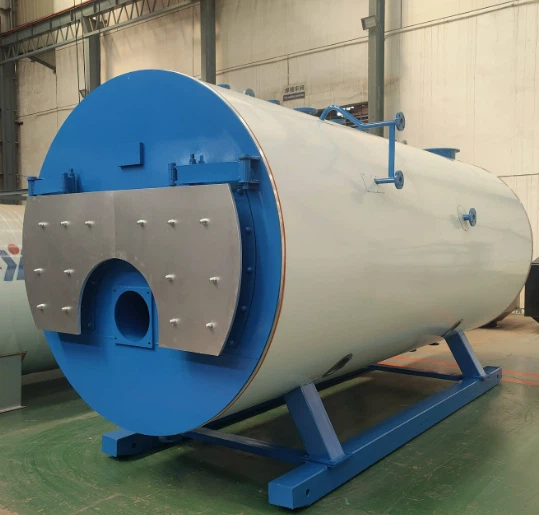 applications
Pressure Vessels: Manufacturing of storage tanks, heat exchangers, and reactors used in chemical plants and refineries.
Boiler Construction: Used for steam boilers, pressurized piping systems, and boiler drums in power generation facilities.
Oil & Gas Industry: Fabrication of gas separators, liquified gas (LPG/LNG) storage tanks, and pipelines for transporting hot or pressurized fluids.
Structural Components: Due to its excellent weldability and toughness, it is used in bridge construction, offshore structures, and high-pressure water pipes.
advantages
High Strength: It provides a guaranteed minimum yield strength of 355 MPa, allowing for robust and durable construction in high-stress environments.
Excellent Weldability: The steel is classified as a "weldable fine-grain steel". Its controlled chemical composition, including low carbon content and micro-alloying elements, ensures good weld quality with minimal risk of cracking, making fabrication processes reliable and efficient.
High Resistance to Brittle Cracking: Normalization enhances its microstructure, providing high resistance to brittle fracture and good impact toughness, which is critical for safety in pressure vessels.
Specified Elevated Temperature Properties: P355N is designed to perform reliably at specified room and elevated temperatures (up to 400°C), retaining its mechanical properties under operational heat.
Corrosion Resistance: Additions of elements like chromium and molybdenum improve its resistance to heat and corrosion, contributing to a longer service life for components.
If you want to learn more about GNEE's products, you can send an email to beam@gneesteelgroup.com. We are more than happy to assist you.
What is P355N steel primarily known for in industrial applications?
P355N is a low-alloy structural steel renowned for its excellent toughness at normal temperatures and high strength. It offers good weldability and formability, making it ideal for load-bearing structural components in construction, machinery, and pressure vessel manufacturing where reliability is critical.
What are the key chemical composition features of P355N steel?
P355N has a controlled chemical makeup with low carbon content to enhance weldability, balanced manganese for strength, and trace amounts of silicon for deoxidation. It contains minimal impurities like sulfur and phosphorus, ensuring structural integrity and consistent mechanical performance across batches.
What is the minimum yield strength of P355N steel?
P355N steel has a minimum yield strength of 355 MPa, which is the core reason for its naming. This high yield strength ensures it can withstand significant static and dynamic loads without permanent deformation, suiting heavy-duty structural and industrial uses.
How does P355N perform in terms of weldability?
P355N exhibits excellent weldability due to its low carbon equivalent and purified chemical composition. It can be welded using common processes like MIG, TIG, and arc welding without preheating in most cases, with minimal risk of cold cracking or weld zone brittleness.
What temperature range is P355N steel designed to operate in?
P355N is engineered for normal temperature service, typically ranging from -20°C to ambient industrial temperatures. It maintains its key mechanical properties-toughness, strength, and ductility-within this range, avoiding brittle fracture under standard operating conditions.
What are the main forming processes suitable for P355N steel?
P355N is compatible with all common metal forming processes, including rolling, bending, stamping, and forging. Its good ductility allows for complex shape forming with minimal springback, and it retains structural strength after cold and warm forming operations.
How does P355N differ from P355NH steel in application?
P355N is for normal temperature use, while P355NH is a heat-resistant grade for elevated temperatures up to 450°C. P355N suits general structural and pressure vessel work at ambient temps, and P355NH is for boiler and heat exchanger components with high thermal loads.
What quality standards govern P355N steel production?
P355N is specified under European standard EN 10025-3, which regulates low-alloy structural steels for normalized/normalized rolled delivery conditions. This standard defines its chemical composition, mechanical properties, testing methods, and dimensional tolerances strictly.
What is the typical tensile strength range of P355N steel?
P355N steel has a tensile strength range of 470 to 630 MPa, complementing its high yield strength. This range ensures it has sufficient ductility and fracture resistance while bearing maximum loads, making it stable for structural and load-bearing applications.
Can P355N steel be heat treated for enhanced performance?
P355N is usually supplied in normalized condition, which optimizes its strength-toughness balance. While it can undergo tempering for minor hardness adjustments, heavy heat treatment is unnecessary as normalization already delivers its designed mechanical properties for most uses.