


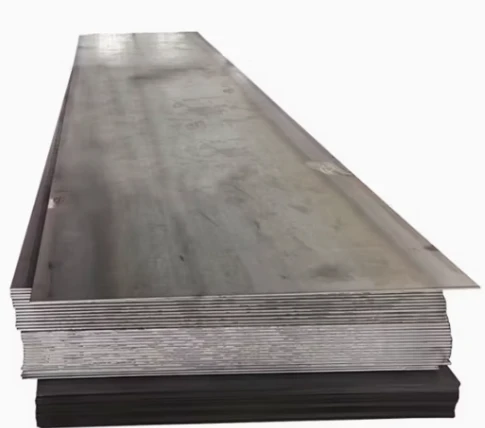
SA612 is a high-strength carbon - manganese - silicon alloy steel plate specifically designed for welded pressure vessels operating in moderate to low - temperature environments. It boasts an excellent balance of strength, notch toughness and weldability, which enables it to maintain structural integrity and safety in critical industrial applications.
Key Specifications:
Type: High-strength, manganese-silicon alloy steel.
Application: Welded pressure vessels, heat exchangers, LPG tanks.
Temperature: Moderate to lower temperatures, minimum service down to -40°C.
Max Thickness: 1 inch (25 mm).
SA612 Boiler Plate Chemical Composition:
| Grade | C | Si | Mn | P | S | Cu | Ni | Cr | Mo | V | Nb |
| SA612 | ≤0.25 | 0.15-0.5 | 1.0-1.5 | ≤0.025 | ≤0.025 | ≤0.35 | ≤0.25 | ≤0.25 | ≤0.08 | ≤0.08 | ≤0.020 |
SA612 Pressure Vessel Plate Mechanical Properties:
| Grade | Yield Strength Mpa | Tensile Strength Mpa | Elongation A % | Impact J, -40º |
| SA612 | ≥345 | 570-725 | ≥16 | ≥27 |
Features:
High strength-to-weight ratio.
Good weldability and toughness.
Often supplied normalized, but other heat treatments are possible.
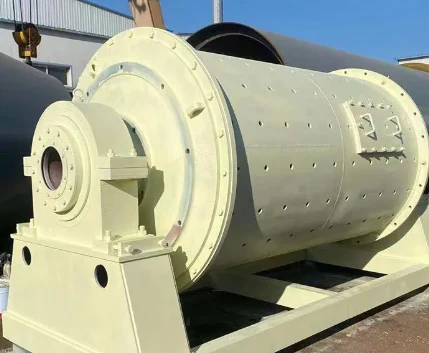 applications
• Boilers and pressure vessels:
SA612 is commonly specified for the shells, heads, and other pressure-retaining components of industrial boilers, steam generators, and pressure vessels in refineries, petrochemical plants, and power generation facilities. Its fine-grained microstructure and controlled chemistry help ensure reliable performance under cyclic pressure and temperature loads.
• Heat exchangers and condensers:
Due to its good low-temperature toughness and resistance to brittle fracture, SA612 is used in the fabrication of heat exchanger shells, tube sheets, and channel covers in chemical processing, HVAC, and refrigeration systems, especially those operating at temperatures around or below 0°C.
• Oil and gas processing equipment:
SA612 plates are employed in the construction of fractionation towers, separators, scrubbers, and storage tanks for crude oil, natural gas, and liquefied petroleum gas (LPG), where the material must withstand internal pressure, thermal cycling, and occasional corrosive environments.
• Chemical and petrochemical plants:
In chemical manufacturing facilities, SA612 is used for reactors, columns, and process vessels handling various chemicals at moderate pressures and low to ambient temperatures, providing a cost-effective alternative to higher-alloy steels for many non-corrosive or mildly corrosive services.
• General industrial pressure equipment:
SA612 is also found in a variety of general industrial applications, including compressed air receivers, process tanks, and custom pressure vessels for food processing, pharmaceutical, and pulp and paper industries, where safety, reliability, and weldability are primary concerns.
application conditions
• Temperature range:
SA612 is primarily intended for service in moderate to low-temperature environments, generally from ambient temperatures down to approximately −30°C, depending on thickness and impact test requirements. Its fine-grained microstructure and controlled chemistry help prevent brittle fracture at these lower temperatures.
• Pressure levels:
It is commonly used in pressure vessels and boilers operating at moderate to high pressures, where the material must maintain structural integrity under internal pressure and occasional pressure fluctuations. Typical applications include process vessels, heat exchangers, and storage tanks in refineries and chemical plants.
• Welding-dominated fabrication:
SA612 is well-suited for conditions involving extensive welding, such as large pressure vessel shells, heads, and complex assemblies. Its low carbon equivalent and good hardenability control minimize the risk of cold cracking and weld-induced embrittlement, even in thick sections.
• Cyclic and thermal loading:
The material is often specified for equipment subject to repeated thermal and pressure cycling, such as heat exchangers and process reactors. Its toughness and ductility help absorb cyclic stresses and reduce the likelihood of fatigue cracking under long-term operation.
• Service environments:
SA612 is generally used in non-corrosive or mildly corrosive environments, such as those involving hydrocarbons, steam, and many neutral or slightly acidic process fluids. In more aggressive corrosive conditions, it may require additional protection, such as coatings or linings, or substitution with corrosion-resistant alloys.
Why Choose Us :
You can get the perfect material according to your requirement at the least possible price.
We also offer Reworks, FOB, CFR, CIF, and door to door delivery prices. We suggest you to do deal for shipping which will be quite economical.
The materials we provide are completely verifiable, right from raw material test certificate to the final dimensional statement.(Reports will show on requirement)
We guarantee to give a response within 24hours(usually in the same hour)
You can get stock alternatives, mill deliveries with minimizing manufacturing time.
We are fully dedicated to our customers. If it will not possible to meet your requirements after examining all options, we will not mislead you by making false promises which will create good customer relations.
Get an valued quotation for sa612, Contact GNEE Steel.
What is the thermal conductivity of SA612?
The thermal conductivity of SA612 is approximately 45 W/(m·K) at room temperature. This property is important for heat exchanger design, ensuring efficient heat transfer between fluids in industrial processes.
Is SA612 suitable for use in nuclear power plants?
SA612 can be used in non-core components of nuclear power plants, such as auxiliary pressure vessels and pipelines. For core components, more specialized alloys with higher radiation resistance are required to meet strict safety standards.
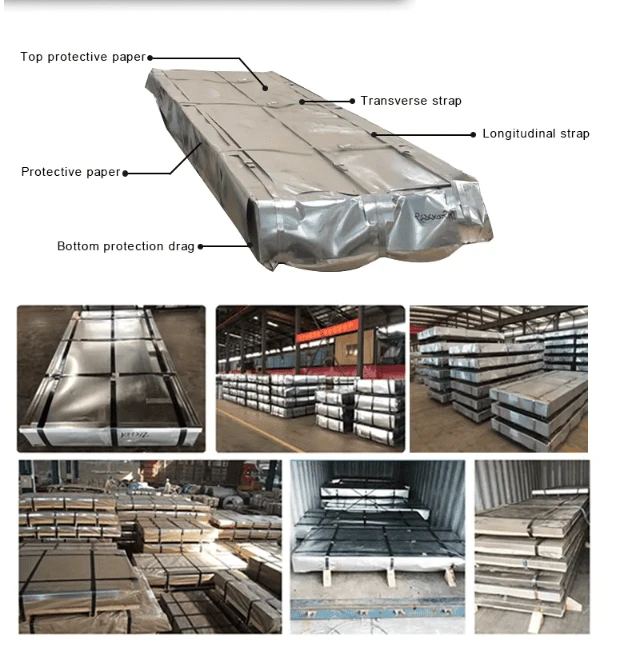
How to transport SA612 plates to avoid damage?
SA612 plates should be transported in covered trucks or containers to avoid exposure to rain and moisture. They should be stacked with wooden pads between layers to prevent surface scratches and deformation during transit.
What are the main chemical components of SA612 steel?
The main chemical components of SA612 steel include carbon, manganese, silicon, chromium, nickel, and molybdenum. These elements work together to enhance its corrosion resistance and mechanical properties for harsh working conditions.
Which industry uses SA612 most frequently?
The chemical and petrochemical industry uses SA612 most frequently. It is often employed to manufacture reactors, heat exchangers, and storage tanks that handle corrosive media like acids, alkalis, and organic solvents.
What heat treatment processes is SA612 usually subjected to?
SA612 is usually subjected to normalizing and tempering heat treatments. These processes refine the grain structure, improve toughness, and ensure consistent mechanical properties across the material.
In which temperature range can SA612 perform stably?
SA612 can maintain stable performance in a temperature range of approximately -40°C to 550°C. This wide range makes it suitable for low-temperature storage and high-temperature operation scenarios in industrial production.
How long is the typical shelf life of SA612 plates if properly stored?
If stored in a dry, well-ventilated warehouse away from moisture and corrosive substances, SA612 plates can have a shelf life of 1-2 years without significant degradation of surface quality or mechanical properties.
What are the common defects of SA612 during production?
Common production defects of SA612 include surface scratches, internal inclusions, porosity, and grain size irregularities. Strict quality control during melting, rolling, and heat treatment minimizes these defects.