


Heat treatment process of channel steel
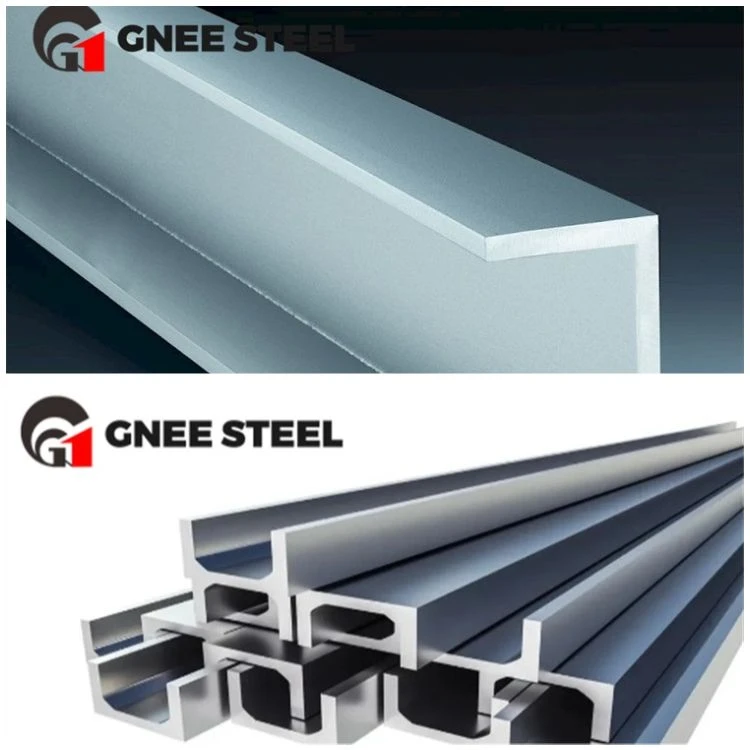
Channel steel is a structural steel section rather than a single steel grade. Its heat treatment requirements depend on the material grade, chemical composition, section thickness and required mechanical properties.
Annealing treatment of channel steel
Annealing is the first step in the heat treatment of channel steel, the purpose of which is to eliminate the internal stress of channel steel in the production process, and improve the organizational structure and mechanical properties. The process parameters of channel steel annealing include annealing temperature, holding time and cooling rate.
1. Annealing temperature: general annealing temperature selection for 750 ~ 800 ℃. In this temperature range, the carbide of channel steel can be decomposed, and the organizational structure is remodeled. Different models of channel steel, annealing temperature also varies.
2. Holding time: the holding time of channel steel is slightly different according to different materials and performance requirements. Generally speaking, the holding time is between 1 hour and 2 hours.
3. Cooling speed: the annealed channel steel needs to control its organization through the appropriate cooling speed. It can be cooled by natural cooling or water cooling or oil cooling.
Channel steel normalizing treatment
Normalizing is an important heat treatment method for channel steel, which can further improve the strength and hardness of channel steel. The process parameters of normalizing mainly include heating temperature, holding time and cooling mode.
1. Heating temperature: the heating temperature is an important parameter of normalizing treatment, generally selected as 900 ~ 950 ℃. In this temperature range, the structure of the channel steel phase change, so as to get more uniform and fine grain.
2. Holding time: the holding time should be adjusted according to the type and specification of channel steel. Generally speaking, the holding time is between 1 hour and 2 hours.
3. Cooling method: After normalizing the channel steel needs to be cooled by appropriate cooling method. Generally, water cooling, oil cooling and other methods can be used.
Quenching of channel steel
Quenching is a key step in the heat treatment of channel steel, which can make the channel steel obtain high hardness and high strength, but usually accompanied by high brittleness. The process parameters of quenching include heating temperature, holding time, quenching medium and tempering treatment after quenching.
1. Heating temperature: the heating temperature is an important parameter of quenching treatment, generally selected as 900 ~ 950 ℃. In this temperature range, the organizational structure of the channel steel phase change, the formation of martensite.
2. Holding time: the holding time should be adjusted according to the type and specification of the channel steel. Generally speaking, the holding time is between 5 minutes and 15 minutes.
3. Quenching medium: the choice of quenching medium directly affects the hardness and toughness of channel steel. Generally you can use water, oil, salt bath, etc. as the quenching medium.
4. Tempering treatment: quenching treatment of channel steel will usually have high brittleness, need to be tempered to increase toughness. Tempering process parameters include tempering temperature, holding time and cooling mode. Generally speaking, the tempering temperature is 150 ~ 350 ℃, holding time for 1 hour ~ 2 hours, the cooling method can be used natural cooling.
| Heat Treatment | Main Purpose | Typical Cooling | Main Effect |
|---|---|---|---|
| Annealing | Reduce hardness and residual stress | Slow/furnace cooling | Improve ductility and machinability |
| Normalizing | Refine and homogenize microstructure | Air cooling | Improve strength and structural uniformity |
| Quenching | Increase hardness and strength | Rapid cooling | Form martensitic structure |
| Tempering | Reduce brittleness after quenching | Controlled cooling | Improve toughness and stability |
Gnee supplies channel steel in different grades, sizes and processing conditions. Contact our team for material certificates, customized dimensions and project-specific steel solutions.

GNEE Group receives visiting customers

GNEE Group office environment
What is the purpose of annealing channel steel?
The main purpose of annealing channel steel is to reduce hardness and residual stress, improve ductility and machinability, and obtain a more stable and uniform microstructure. The appropriate annealing process depends on the steel grade, chemical composition, section thickness, and required mechanical properties.
Can all channel steel be quenched and tempered?
No. Channel steel is a section shape rather than a specific steel grade, so not all channel steel is suitable for quenching and tempering. The process depends on the steel grade, carbon content, alloy composition, section thickness, hardenability, and required mechanical properties. Carbon and alloy structural steels designed for heat treatment are generally more suitable for this process.
What factors determine the heat treatment temperature of channel steel?
Heat treatment temperature is mainly determined by the steel grade, chemical composition, section thickness, required mechanical properties, and applicable material standard or qualified process specification. Therefore, a single temperature range should not be applied to all channel steel products.
Does channel steel require heat treatment after hot rolling?
Not necessarily. Many hot-rolled structural channel steels are supplied in the as-rolled condition and do not require additional heat treatment. Additional annealing, normalizing, or quenching and tempering may be required when specific mechanical properties, hardness, microstructure, or stress-relief requirements need to be achieved. The final treatment should follow the applicable steel standard and project requirements.