


A36 H Beam is a widely used ASTM-standard structural steel section known for its reliable strength, excellent weldability, and global acceptance.
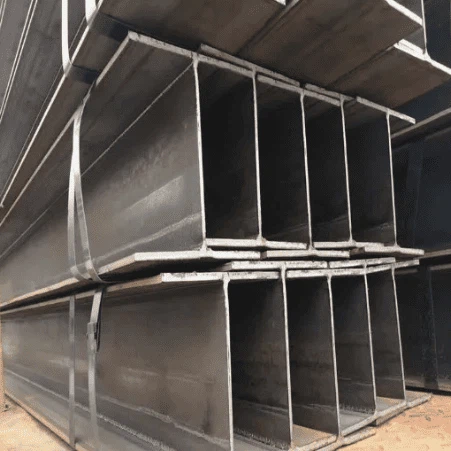
A36 H Beam
As an international steel supplier, we specialize in providing high-quality A36 H Beam for construction, infrastructure, and industrial applications, helping customers achieve long-term structural stability and cost efficiency.
When comparing A36 steel and Q235B steel, both are low-carbon structural steels, but differences in strength, standard systems, and application scope make A36 H Beam a more competitive choice for international engineering projects. Understanding these differences is essential for selecting the right material.
Chemical Composition of A36 vs Q235B Steel
Both materials belong to mild steel, with slight variations in composition:
| Element | A36 Steel (%) | Q235B Steel (%) |
|---|---|---|
| Carbon (C) | ≤ 0.26 | ≤ 0.22 |
| Manganese (Mn) | ≤ 1.60 | ≤ 1.40 |
| Silicon (Si) | ≤ 0.40 | ≤ 0.35 |
A36 steel allows slightly higher carbon and manganese content, which contributes to improved strength and structural reliability.
Mechanical Properties of A36 H Beam and Q235B H Beam
| Property | A36 Steel | Q235B Steel |
|---|---|---|
| Yield Strength | ≥ 250 MPa | ≥ 235 MPa |
| Tensile Strength | 400–550 MPa | 370–500 MPa |
| Elongation | ≥ 20% | ≥ 20% |
A36 H Beam provides higher yield and tensile strength, making it more suitable for structural applications that require stronger load-bearing capacity.
Standard of A36 H Beam and Q235B H Beam
A key difference between the two materials is their standard systems:
- A36 Steel follows ASTM standards and is widely used in international markets
- Q235B Steel follows GB standards and is mainly used in China
For export projects and international construction, A36 H Beam is easier to specify, approve, and integrate into global engineering systems.
Processing Performance of A36 H Beam
A36 H Beam offers excellent fabrication performance due to its low carbon content:
- Good weldability without complex preheating
- Easy cutting and machining
- Stable and consistent mechanical properties
This ensures higher efficiency during fabrication and reduces the risk of structural defects.
Application Comparison of A36 H Beam and Q235B H Beam
| Application | A36 H Beam | Q235B |
|---|---|---|
| International construction | High suitability | Limited |
| Industrial structures | High suitability | Medium |
| Export projects | Highly recommended | Less common |
| General construction | Widely used | Widely used |
A36 H Beam is more commonly used in international and high-standard projects, while Q235B is mainly applied in local markets.
Q235B generally has a lower initial purchase cost, while A36 H Beam offers greater overall value.
Although A36 may be slightly more expensive, it helps avoid issues such as certification delays, standard incompatibility, and project risks. From a long-term perspective, A36 H Beam provides better cost efficiency and reliability.
Both A36 and Q235B are suitable structural steels, but their positioning differs:
- A36 H Beam is stronger, more standardized, and internationally recognized
- Q235B is more suitable for cost-sensitive local applications
For projects that require consistent quality, structural reliability, and global compliance, A36 H Beam is the more dependable choice.
If you are sourcing A36 H Beam, choosing a reliable supplier is essential to ensure product quality and project success.
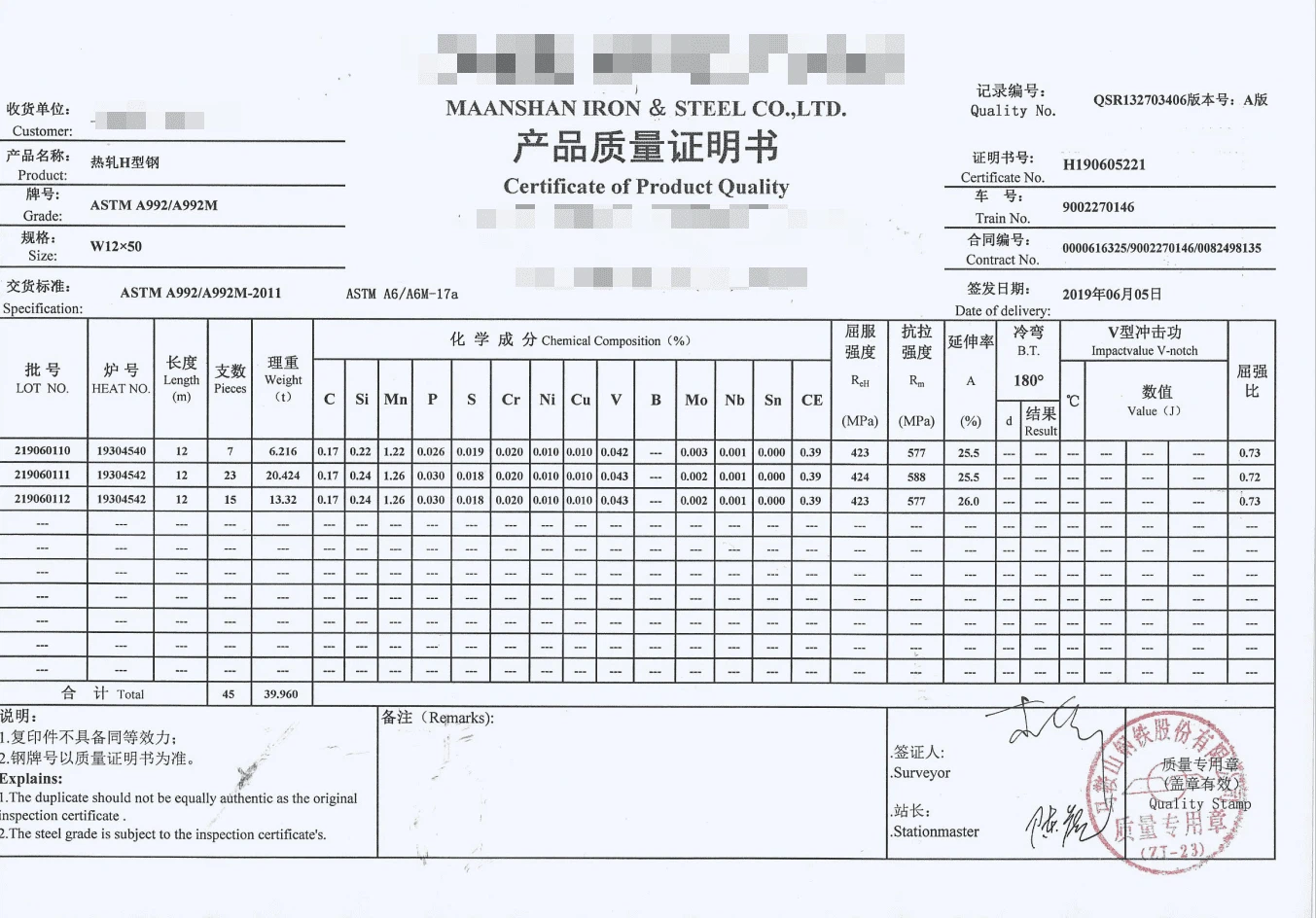
We provide ASTM-compliant A36 H Beam with stable performance, strict quality inspection, and fast delivery. Our products are suitable for a wide range of structural applications across global markets.
Contact us today to obtain a quotation and secure a stable supply of A36 H Beam for your project.
Contact now to get A36 H Beam Quote

What is A36 grade of steel?
A36 is a low carbon steel. Low carbon steels are classified by having less than 0.3% carbon by weight. This allows A36 steel to be easily machined, welded, and formed, making it extremely useful as a general-purpose steel. The low carbon also prevents heat treatment from having much of an effect on A36 steel.
Is A36 equivalent to SS400?
ASTM A36 is commonly considered equivalent to SS400 (a JIS G3101 standard) because it shares similar properties suitable for general structural use. Applications: Bridges, ships, vehicles, and other structural applications. Applications: Structural shapes, plates, and bars used in construction and fabrication.
What is the hardness of A36 in HB?
A36 steel hardness depends on the heat treatment. But it's usually around 119-162 Brinell hardness (HB).
What does A36 stand for?
A36 is designated by its mechanical properties instead of its chemical properties. In the American Society for Testing Materials (ASTM) system, the A stands for ferrous metal, while the 36 refers to its minimum yield strength of 36,000 PSI.
What is another name for A36 steel?
A36 is the most commonly used mild/hot-rolled steel. It is known as a mild carbon steel. A36 carbon steel's strength, formability, and excellent welding properties make it suitable for a large variety of applications, including welding, fabricating, and bending.