


A36 H Beam is a widely used hot-rolled structural steel section made in accordance with ASTM A36 standards, known for its excellent balance of strength, weldability, and cost-effectiveness.
In practical engineering and construction projects, A36 H Beam is often selected as a reliable material for load-bearing structures because it provides stable mechanical performance while remaining easy to process and fabricate.
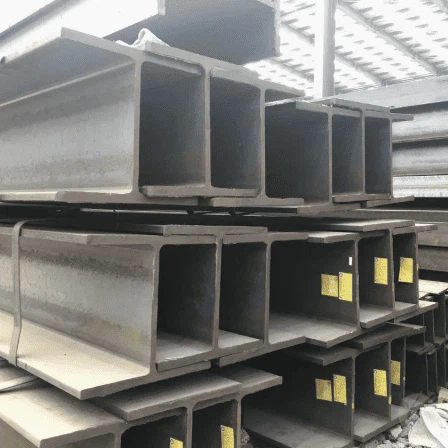
A36 H Beam
Compared with high-strength alloy steels, A36 steel has a lower carbon content, which significantly improves its weldability and machinability, making it especially suitable for large-scale fabrication and fast-track construction projects.
From a dimensional and specification perspective, A36 H Beam covers a wide range of sizes to meet different structural requirements. It is typically defined by parameters such as web height, flange width, web thickness, and flange thickness. The standard production range is shown below:
| Property | Function |
|---|---|
| Moment of Inertia (Ix) | Resistance to bending |
| Section Modulus (Wx) | Strength under bending stress |
A larger section provides higher load capacity, but over-sizing will increase cost, so optimization is critical.
Key Dimensions of A36 H Beam
The geometry of A36 H Beam profile steel determines its structural behavior. The main parameters include:
| Parameter | Role in Performance |
|---|---|
| Web Height (H) | Controls bending resistance |
| Flange Width (B) | Improves stability |
| Web Thickness (t1) | Affects shear strength |
| Flange Thickness (t2) | Enhances load capacity |
A balanced combination of these dimensions ensures optimal strength and efficiency.
Consider Fabrication and Processing Needs
One of the biggest advantages of A36 H Beam is its excellent workability. Thanks to its low carbon content, it offers:
Easy welding without complex preheating
Smooth cutting and drilling
Good forming capability
For projects involving heavy fabrication, choosing a slightly more workable section can reduce production time and labor costs.
Cost control is a key factor in steel structure projects. While larger beams provide higher strength, they also increase:
Material consumption
Transportation cost
Installation difficulty
Below is a practical selection guide:
| Application Type | Suggested Size Range |
|---|---|
| Light structures | 100×100 – 150×150 |
| Medium buildings | 200×200 – 300×300 |
| Heavy structures | 400×400 and above |
The goal is to select a beam that meets performance requirements without excessive oversizing.
Choose Based on Application
Different applications require different A36 H Beam profile steel specifications:
Building structures → columns and main beams
Industrial plants → heavy load-bearing frames
Bridges → high stiffness and durability
Machinery supports → vibration resistance
Understanding the working environment helps ensure the correct selection.
Ensure ASTM A36 Standard Compliance
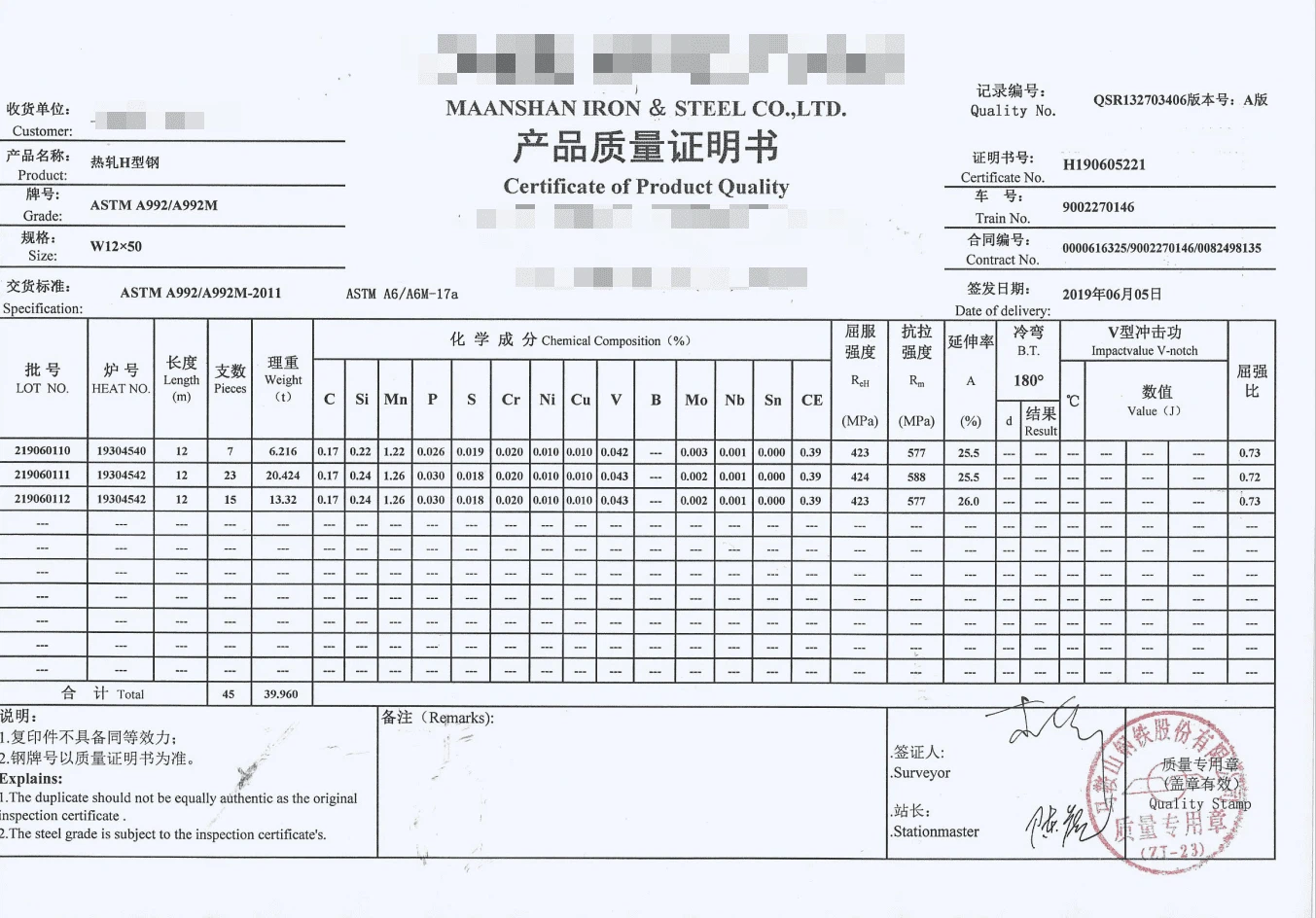
Always verify that the A36 H Beam meets ASTM A36 requirements, including:
Chemical composition
Mechanical properties
Dimensional tolerances
This guarantees consistent quality and reliable structural performance across projects.
Selecting the right A36 H Beam profile steel is not just about choosing a size-it is about balancing strength, cost, and workability. By considering load conditions, span length, dimensions, and application needs, you can ensure optimal performance and long-term reliability.
If you need professional support in selecting the right A36 H Beam profile steel, including size recommendations and technical data, working with an experienced supplier can help you streamline your decision and ensure optimal project performance.
Contact now to get A36 H Beam Quote

What is A36 grade of steel?
A36 is a low carbon steel. Low carbon steels are classified by having less than 0.3% carbon by weight. This allows A36 steel to be easily machined, welded, and formed, making it extremely useful as a general-purpose steel. The low carbon also prevents heat treatment from having much of an effect on A36 steel.
Is A36 equivalent to SS400?
ASTM A36 is commonly considered equivalent to SS400 (a JIS G3101 standard) because it shares similar properties suitable for general structural use. Applications: Bridges, ships, vehicles, and other structural applications. Applications: Structural shapes, plates, and bars used in construction and fabrication.
What is the hardness of A36 in HB?
A36 steel hardness depends on the heat treatment. But it's usually around 119-162 Brinell hardness (HB).
What does A36 stand for?
A36 is designated by its mechanical properties instead of its chemical properties. In the American Society for Testing Materials (ASTM) system, the A stands for ferrous metal, while the 36 refers to its minimum yield strength of 36,000 PSI.
What is another name for A36 steel?
A36 is the most commonly used mild/hot-rolled steel. It is known as a mild carbon steel. A36 carbon steel's strength, formability, and excellent welding properties make it suitable for a large variety of applications, including welding,