


what is SA258 Grade C?
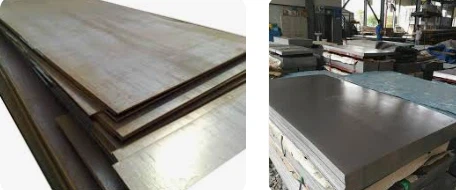
SA258 Grade C is a carbon steel plate specification under the ASME Boiler and Pressure Vessel Code (Section II, Part A). It is designed for moderate elevated temperature service, specifically in applications such as industrial heating equipment and certain boiler components.
Key Characteristics:
Material Type: Plain carbon steel (no significant alloying elements).
Primary Application: Historically used for fireboxes, furnace supports, superheater supports, and similar components in boilers and heaters where temperatures are elevated but not extreme.
Temperature Service: Typically suitable for service up to approximately 800°F (427°C). It is not designed for severe high-temperature creep service or low-temperature/cryogenic applications.
Mechanical Properties (Example for plates ≤ 0.5 in / 12.5 mm):
Tensile Strength: 55 – 75 ksi (380 – 515 MPa)
Yield Strength (Min): 30 ksi (205 MPa)
Elongation (Min): 23% (longitudinal)
Chemical Composition (Typical):
Carbon (C): max 0.20%
Manganese (Mn): 0.40–0.80%
Silicon (Si): 0.10–0.30%
Phosphorus & Sulfur: Low limits (e.g., P max 0.035%, S max 0.035%)
Important Context:
Modern Usage: SA258 is a relatively older and less commonly specified material today. For similar applications, modern designers often use more readily available or performance-specific steels like SA515, SA516, or SA204.
Not for Primary Pressure Shells: It is generally not the first choice for main pressure-retaining shells in new construction. Its traditional role is for internal supports and structures within high-temperature environments.
No Mandatory Toughness: Impact testing is not a requirement of the base specification unless added by the purchaser.
Summary:
SA258 Grade C is a legacy carbon steel plate for moderate-temperature structural components in heating equipment. While still codified, it has largely been supplanted by other standardized pressure vessel steels in contemporary design and procurement.
Chemical composition of Product analysis for SA285 Grade C pressure vessel steel plate (Max %)
|
Steel Grade |
Main chemical composition of A285 Grade C |
||||
|
C |
Si |
Mn |
P |
S |
|
|
A285 Grade C |
0.28 |
0.08-0.45 |
0.98 |
0.035 |
0.035 |
Tensile Requirements
| SA 285 Gr A ksi(MPa) |
SA 285 Â Gr B ksi (MPa) |
SA 285 Gr C ksi (MPa) |
|
|---|---|---|---|
| Tensile strength | 45-65 (310-450) | 50-70 (345-485) | 55-75 (380-515) |
| Yield strength, min | 24 (165) | 27 (185) | 30 (205) |
| Elongation in 8Â in. or (200Â mm), min, % | 27 | 25 | 23 |
| Elongation in 2Â in. or (50Â mm), min, % | 30 | 28 | 27 |
What is SA258 Grade C?
Answer: SA258 Grade C is a carbon steel plate specification for pressure vessels, primarily used in industrial heating applications like fireboxes and superheater supports, designed for moderate elevated temperature service.
What is the chemical composition of SA258 Grade C?
Answer: Its composition is primarily carbon steel with controlled levels of Carbon (max 0.20%), Manganese (0.40-0.80%), Silicon (0.10-0.30%), and limited Phosphorus and Sulfur.
What are the mechanical properties of SA258 Grade C?
Answer: For plates up to 0.5 inches thick, it has a minimum tensile strength of 55-75 ksi (380-515 MPa) and a minimum yield strength of 30 ksi (205 MPa).
Is SA258 Grade C a carbon steel or alloy steel?
Answer: SA258 Grade C is classified as a carbon steel, as it does not contain significant intentional additions of alloying elements like chromium or molybdenum.
What is the primary application of SA258 Grade C?
Answer: Its primary use is in the fabrication of fireboxes, furnace supports, and similar components in boilers and heaters where temperatures are moderately elevated but oxidation resistance is less critical.
What is the maximum service temperature for SA258 Grade C?
Answer: It is typically used for service temperatures up to approximately 800°F (427°C), primarily in non-corrosive, low-stress support applications.
How does SA258 Grade C differ from SA258 Grade A and B?
Answer: The grades differ primarily in strength levels. Grade C offers higher tensile strength (55-75 ksi) compared to Grade A (47-67 ksi) and Grade B (50-70 ksi), with slight variations in chemistry.
Can SA258 Grade C be welded?
Answer: Yes, it has good weldability typical of low-carbon steels. Standard welding practices for carbon steel are generally applicable.
Does SA258 Grade C require impact testing?
Answer: Impact testing is not a mandatory requirement of the base specification but can be specified as an additional requirement by the purchaser if needed for the application.
Is SA258 Grade C suitable for pressure vessel shells?
Answer: While it is a pressure vessel quality plate, its typical use is more specialized for internal support structures in high-temperature environments rather than primary pressure-retaining shells in modern construction.
Full specification and details are available on request. The above information is provided for guidance purposes only. For specific design requirements please contact our technical sales staff.
