


How is molybdenum processed?
The mined ore is crushed, ground, mixed with liquid chemicals and aerated in a flotation process to separate the metallic minerals from the worthless rock.
The resulting molybdenite concentrate, which contains 85 to 92 percent molybdenum disulfide (MoS2), is roasted in air at 500-650°C to produce a roasted molybdenum concentrate or molybdenum roasting sand (MoO3), also known as industrial molybdenum oxide. About 40-50% of molybdenum is utilized in this form, mainly as an alloying element in steelmaking. About 30-40% of industrial molybdenum oxide is processed into ferromolybdenum (FeMo). Industrial molybdenum oxide is mixed with iron oxide and reduced with ferrosilicon and aluminum in an aluminothermic reaction. The resulting ferromolybdenum ingot is crushed and sieved to produce FeMo pellets of the desired particle size.
Approximately 20% of the molybdenum roasting sand produced worldwide is processed into various molybdenum chemicals such as pure molybdenum trioxide (MoO3) and molybdates. Ammonium molybdate solutions can be converted into any of the molybdate products and further processed into pure molybdenum trioxide by calcination.
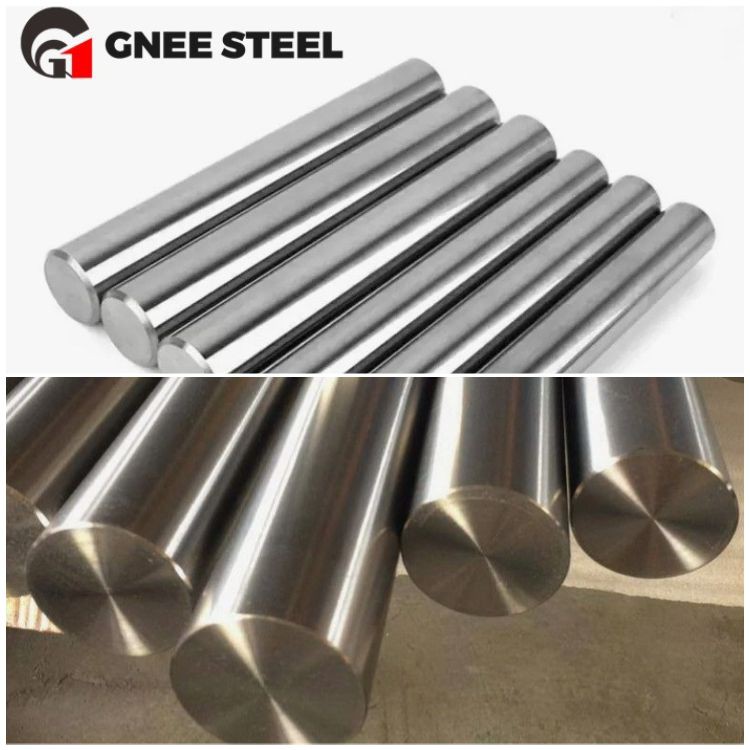
Molybdenum metal is produced in a two-stage hydrogen reduction process to give pure molybdenum powder.
For more product information about the topic Alloys and Steel products, please contact us!
GNEE Group receives visiting customers

GNEE Group office environment