


The difference between S690QL and S690QL1 lies exclusively in their required impact toughness test temperature, as defined by the European standard EN 10025-6.
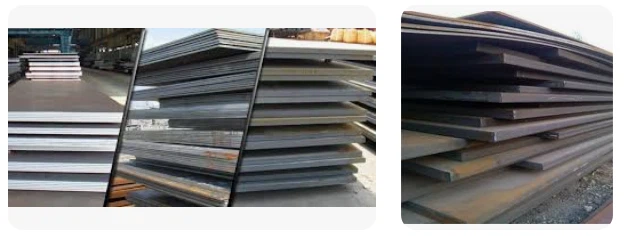
Here is the clear, concise breakdown:
Core Difference: Test Temperature for Impact Toughness
Both grades are identical in terms of chemical composition, minimum yield strength (690 MPa), tensile strength range, and the Quenched & Tempered (QL) manufacturing process. The "1" suffix in QL1 specifies a lower (colder) test temperature.
| Feature | S690QL | S690QL1 |
|---|---|---|
| Impact Test Temperature | -40°C | -60°C |
| Minimum Impact Energy | 27 Joules (Charpy V-notch) | 27 Joules (Charpy V-notch) |
| All Other Properties | Identical (Yield Strength, Tensile, Chemical Comp.) | Identical |
Practical Implications for Selection
The choice between QL and QL1 is driven by the lowest service temperature the component will experience in its operational life.
Choose S690QL: For applications where the structure will operate in cold climates, but not extreme Arctic conditions. A design temperature of -20°C to -40°C is typical. Examples: Mobile cranes for European winter sites, general heavy machinery.
Choose S690QL1: For applications with guaranteed exposure to extreme low temperatures. A design temperature of -40°C to -60°C or lower. Examples:
Offshore structures in the Arctic (North Sea, Barents Sea).
Equipment for mining or oil & gas operations in Siberia, Canada, or Alaska.
Components exposed to cryogenic spill or refrigeration.
Critical lifting gear on vessels operating in polar waters.
Why This Distinction Matters: Brittle Fracture Prevention
Steel becomes more prone to brittle fracture (sudden, catastrophic failure with little plastic deformation) as temperature decreases. The "QL1" grade guarantees that the material has been tested and proven to retain a minimum level of toughness (27J) at a much lower temperature, providing a much larger safety margin against brittle fracture in extreme environments.
Procurement & Certification Note
When ordering, you must specify the correct suffix. The mill test certificate will explicitly state the impact test results at the required temperature (-40°C for QL, -60°C for QL1). It is a verifiable and mandatory part of the material certification.
In summary:
S690QL and S690QL1 are twin grades separated only by their operational temperature window. QL1 is the "Arctic-grade" version of S690QL, offering identical strength but guaranteed toughness at a significantly lower temperature for the most frigid and high-stakes applications.