


SA537CL2 is a Q+T pressure vessel steel compliant with ASME SA537 Class 2, boasting yield strength ≥415MPa, excellent low-temperature toughness and strict chemical control. Widely used in oil & gas, power generation and offshore fields for pressure vessels, LNG tanks, etc., it requires preheating, low-hydrogen welding and post-weld heat treatment, with ultrasonic inspection to ensure defect-free performance.
Chemical Requirements
| Element | Composition % |
|---|---|
| Carbon, max | 0.24 |
| Manganese: | |
| 1 1/2in. (40 mm) and under in thickness | |
| Heat analysis | 0.70-1.35 |
| Product analysis | 0.64-1.46 |
| Over 1 1/2in. (40 mm) in thickness | |
| Heat analysis | 1.00-1.60 |
| Product analysis | 0.92-1.72 |
| Phosphorus, max | 0.025 |
| Sulfur, max | 0.025 |
| Silicon | |
| Heat analysis | 0.15-0.50 |
| Product analysis | 0.13-0.55 |
| Copper, max: | |
| Heat analysis | 0.35 |
| Product analysis | 0.38 |
| Nickel, max: | |
| Heat analysis | 0.25 |
| Product analysis | 0.28 |
| Chromium, max: | |
| Heat analysis | 0.25 |
| Product analysis | 0.29 |
| Molybdenum, max: | |
| Heat analysis | 0.08 |
| Product analysis | 0.09 |
Tensile Requirements
| SA 537 Class 2 ksi (MPa) |
|
|---|---|
| Tensile strength, ksi (MPa) | |
| 2-1/2 in. and under | 80-100 |
| (65mm and under) | (550-690) |
| Over 2-1/2 to 4 in., incl | 75-95 |
| (Over 65 to 100 mm, incl) | (515-655) |
| Over 4 to 6 in., incl | 70-90 |
| (Over 100 to 150 mm, incl) | (485-620) |
| Yield strength, min. | |
| 2-1/2 in. and under | 60 |
| (65mm and under) | (415) |
| Over 2-1/2 to 4 in., incl | 55 |
| (Over 65 to 100 mm, incl) | (380) |
| Over 4 to 6 in., incl | 46 |
| (Over 100 to 150 mm, incl) | (315) |
| Elongation in 2 in. | |
| (50 mm), min. % | |
| 4 in. (100 mm) and under | 22 |
| Over 4 in. (100 mm) | 20 |
| Elongation in 8 in. | |
| (200 mm), min, % | … |
 SA537 Class 2 Processing
Welding Processing
Preheating: Mandatory preheating to 95-150°C before welding, avoiding cold cracks caused by rapid cooling. Temperature should be evenly distributed on the base material surface.
Electrode Selection: Adopt low-hydrogen electrodes (e.g., AWS E7018) to reduce hydrogen content in welds, preventing hydrogen-induced cracking.
Post-Weld Heat Treatment (PWHT): Conduct PWHT at 595-650°C, hold for sufficient time, and cool slowly to eliminate welding residual stress and improve weld toughness.
Machining Processing
Cutting: Use high-speed steel or cemented carbide tools; control cutting speed (15-30m/min) and feed rate to avoid excessive cutting force.
Drilling & Milling: Maintain stable tool speed, use coolant to reduce heat generation, preventing material hardening and tool wear.
Forming & Heat Treatment
Forming: Cold forming is allowed for thin plates; hot forming (200-300°C) is recommended for thick plates to reduce forming stress.
Final Heat Treatment: Delivered in quenched and tempered (Q+T) state; reheat treatment can be performed if needed, ensuring consistent mechanical properties.
Surface Treatment
Derusting: Adopt shot blasting or sandblasting to remove oxide scale and rust, reaching Sa2.5 level for subsequent coating.
Cleaning: Clean the surface with solvent to remove oil and impurities before welding or coating, ensuring processing quality.
 SA537CL2 Applications
Oil & Gas/Petrochemical: Core material for thick-walled reactors, fractionating towers and high-pressure pipelines in oil refining, hydrocracking and gas transportation, resisting high pressure and media erosion.
Power Generation: Used in high-pressure drums, feedwater heaters of thermal power stations and secondary containment of small modular nuclear reactors, adapting to high-temperature steam environments.
Cryogenic Storage: Manufactures LNG storage tanks and low-temperature transport vessels, relying on excellent low-temperature toughness to avoid brittle fracture.
Pressure Vessels: Applied in fusion-welded pressure vessels for storing and transporting high-pressure gases/liquids, ensuring structural stability.
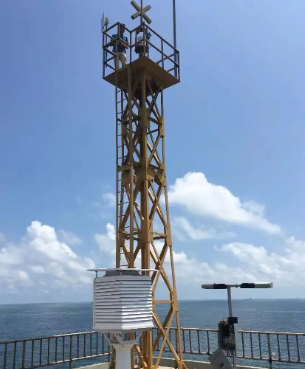
Offshore Engineering: Suitable for offshore platform components and arctic pipelines, withstanding harsh marine high-pressure and low-temperature conditions.
Get an valued quotation for SA537 Class 2 , Contact GNEE Steel.
What quality tests are performed on SA 537 Class 2 plates?
Common quality tests include chemical composition analysis, tensile testing, yield strength testing, elongation testing, Charpy impact testing, hardness testing, and non-destructive testing (NDT) like ultrasonic or radiographic testing.
Can SA 537 Class 2 be formed into complex shapes?
Yes, SA 537 Class 2 can be formed into complex shapes through processes like rolling, bending, and pressing. Proper forming temperature (room temperature to 204°C) is recommended to avoid cracking and maintain material properties.
What is the difference between SA 537 Class 2 and SA 387 Grade 11?
SA 537 Class 2 is carbon-manganese steel, while SA 387 Grade 11 is chromium-molybdenum steel. Grade 11 has better high-temperature creep resistance, while Class 2 offers superior toughness at lower costs for moderate conditions.
What is the maximum carbon content allowed in SA 537 Class 2?
The maximum carbon content allowed in SA 537 Class 2 is 0.25%. Controlling carbon content is critical to ensure weldability and toughness, as excessive carbon can increase brittleness and reduce weld joint quality.
Is SA 537 Class 2 suitable for high-pressure vessels?
Yes, SA 537 Class 2 is suitable for high-pressure vessels. Its high yield and tensile strength, combined with good toughness and weldability, make it ideal for vessels operating under high pressure and moderate temperature.
What is the role of manganese in SA 537 Class 2?
Manganese (1.00-1.60%) in SA 537 Class 2 enhances strength and hardenability, improves ductility and toughness, and counteracts the harmful effects of sulfur by forming manganese sulfides, reducing brittleness.
What preheating temperature is recommended for welding SA 537 Class 2?
The recommended preheating temperature for welding SA 537 Class 2 is 93-204°C (200-400°F). Preheating prevents rapid cooling of the weld zone, reducing the risk of cold cracking and improving weld metal fusion.
What is the minimum bend radius for SA 537 Class 2 plates?
The minimum bend radius for SA 537 Class 2 plates depends on thickness, typically 1.5-3 times the plate thickness. This ensures the material can be bent without cracking, maintaining structural integrity during fabrication.
Can SA 537 Class 2 be used in boiler applications?
Yes, SA 537 Class 2 is suitable for boiler applications, especially for boiler drums and pressure parts operating under moderate temperature and high pressure. It meets ASTM standards for boiler material reliability and safety.
What is the shelf life of SA 537 Class 2 plates if properly stored?
When stored in a dry, covered environment (away from moisture, corrosive gases, and extreme temperatures), SA 537 Class 2 plates have an indefinite shelf life. Proper storage prevents rust and degradation of mechanical properties.