


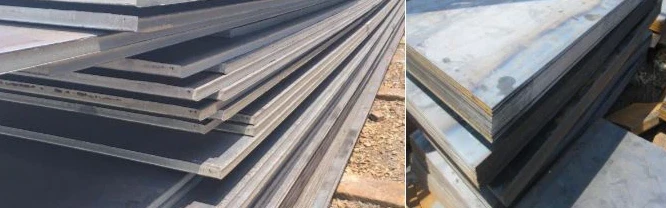
SPV 450 most commonly refers to JIS G3115 SPV450, a high-strength steel plate designed specifically for pressure vessels and boilers, featuring improved weldability for high-pressure service.
SPV450 vessel plate offered by GNEE belongs to boiler and pressure vessel special steel plate, which is implemented in Japan standard, SPV450 boiler steel plate we offer has high strength, high toughness and fatigue resistance, at the same time, SPV450 vessel steel plate we offer also has impact resistance, corrosion resistance, welding and easy machining properties. In addition, our SPV450 boiler steel can be customised in size, cut, welded and punched according to your end-use requirements for SPV450 boiler quality plate products.
Chemical Composition and Mechanical Property
| Grade | C% | SI% | Mn% | P% | S% |
| SPV450 | 0.2 | 0.8 | 1.7 | 0.02 | 0.01 |
| ≤0.18 | ≤0.75 | ≤0.16 | ≤0.030 | ≤0.030 |
| Steel Grade | Yield Strength, for product in mm, Mpa, min | Tensile Strength, Mpa | Elongation, %, min | ||||
| SPV450 | 6 | 50 | 100 | ≤16 | 16 | >40 | |
| 450 | 430 | 410 | 570-700 | 19 | 26 | 20 | |
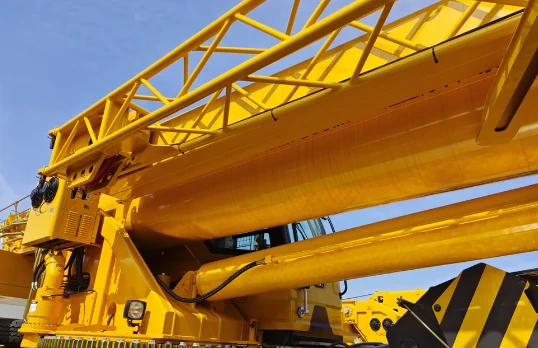
Applications of SPV450
Liquefied Gas Storage & Transportation: Primarily used to manufacture low-temperature storage tanks, transport tankers and underground storage facilities for LPG, propane and butane, adapting to -45℃ to -50℃ working environments.
Petrochemical Industry: Applied in low-temperature processing systems, including ethylene and propylene storage tanks, liquid ammonia containers, and low-temperature separation towers, meeting the material requirements of petrochemical production.
LNG Auxiliary Systems: Used to fabricate BOG buffer tanks and refrigerant storage tanks for LNG projects, matching the -50℃ to -100℃ low-temperature operation needs of such systems.
Pressure Vessels & Boilers: Widely adopted in manufacturing boilers, steam drums, heat exchangers and reactors for power generation and industrial production, bearing medium-temperature and high-pressure loads stably.
Additional Condition
UT(Ultrasonic examination), AR(As Hot Rolled only), TMCP(Thermal Mechanical Control Processing), N(Normalized), Q+T(Quenched and Tempered),Z Direction Test(Z15,Z25,Z35), Charpy V-Notch Impact Test, The Third Party Test (such as SGS Test), Coated or Shot Blasting and Painting.
Other Terms
Packaging Details: Standard export seaworthy packing or as required.
Delivery Time: 30-50 days, 7 days for stock goods.
Loading Port: Shanghai ,Tianjin, Qingdao.
Offer Ability:5 000MT/Per Month.
MOQ: 1 Pcs.
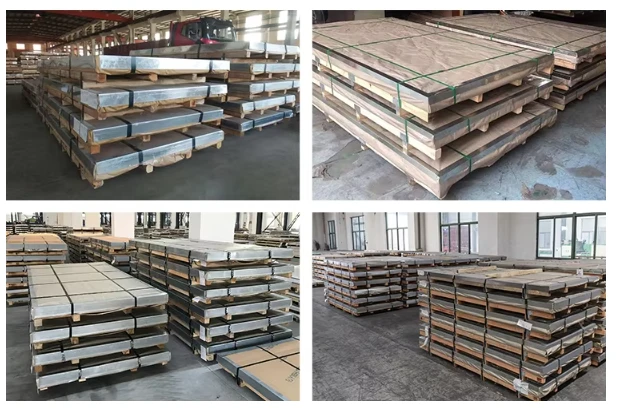
Packing
1.Seaworthy Packaging: We use strong, durable materials such as wooden pallets or crates to ensure the steel plates are securely packed for long sea voyages, preventing damage from movement.
2.Waterproof Wrapping: P420M is covered with high-quality waterproof materials to protect it from moisture and corrosion during transport, especially in humid environments.
3.Edge and Surface Protection: We apply edge protectors and use padded coverings to safeguard the steel from scratches and dents, ensuring that the material's surface and edges remain intact.
4.Custom Labeling and Marking: All shipments are clearly labeled with handling instructions and customer-specific requirements, facilitating smooth customs clearance and proper storage upon arrival.
Contact us at beam@gneesteelgroup.com for pricing, technical support, or customized solutions. We are always ready to support your project.
What is the surface quality requirement of SPV450 steel plates?
The surface of SPV450 steel plates should be smooth, free of cracks, scars, bubbles and other defects. Minor surface defects can be repaired by grinding, but they must not exceed the specified thickness tolerance.
What are the common defects of SPV450 during processing?
Common defects during SPV450 processing include weld cracks, deformation and surface scratches. These defects can be avoided by controlling processing parameters, improving operation skills and conducting pre-heat treatment.
What is the cost advantage of SPV450 compared to other high-strength steels?
SPV450 has a relatively moderate cost compared to high-end high-strength steels such as stainless steel. It balances performance and cost, making it a cost-effective choice for many industrial applications that require high strength.
How to ensure the quality of SPV450 during production?
To ensure SPV450 quality during production, strict control of raw material composition, smelting temperature and rolling process is required. Post-production inspection such as ultrasonic testing and mechanical property testing is also essential.
Can SPV450 be used in marine engineering?
Yes, SPV450 is suitable for marine engineering. After anti-corrosion treatment, it can resist seawater corrosion and bear the harsh marine environment, used in ship hulls, offshore platforms and other structures.
Is SPV450 suitable for manufacturing construction machinery parts?
Absolutely. SPV450 is ideal for manufacturing construction machinery parts such as excavator buckets, bulldozer blades and crane booms. Its high strength and wear resistance can withstand harsh construction site conditions.
What is the thermal conductivity of SPV450?
The thermal conductivity of SPV450 is about 45 W/(m·K) at room temperature. This thermal conductivity performance is conducive to heat dissipation of components during operation, avoiding overheating damage.
What are the storage requirements for SPV450 steel plates?
SPV450 steel plates should be stored in a dry, well-ventilated warehouse to avoid moisture and rust. They should be placed horizontally on wooden supports, away from chemicals that may cause corrosion.
Can SPV450 be combined with other materials for use?
Yes, SPV450 can be combined with other materials such as ordinary carbon steel, stainless steel or aluminum alloy. Through welding or mechanical connection, it can give full play to the advantages of different materials and reduce costs.
What is the thickness range of SPV450 steel plates?
The common thickness range of SPV450 steel plates is 6-100 mm. Thicker plates are suitable for heavy-load components, while thinner plates are used for general structural parts that require high strength.
How to identify SPV450 materials?
SPV450 materials can be identified by chemical composition analysis, mechanical property testing and material marking inspection. Professional instruments such as spectrometers can quickly and accurately determine the material type.