


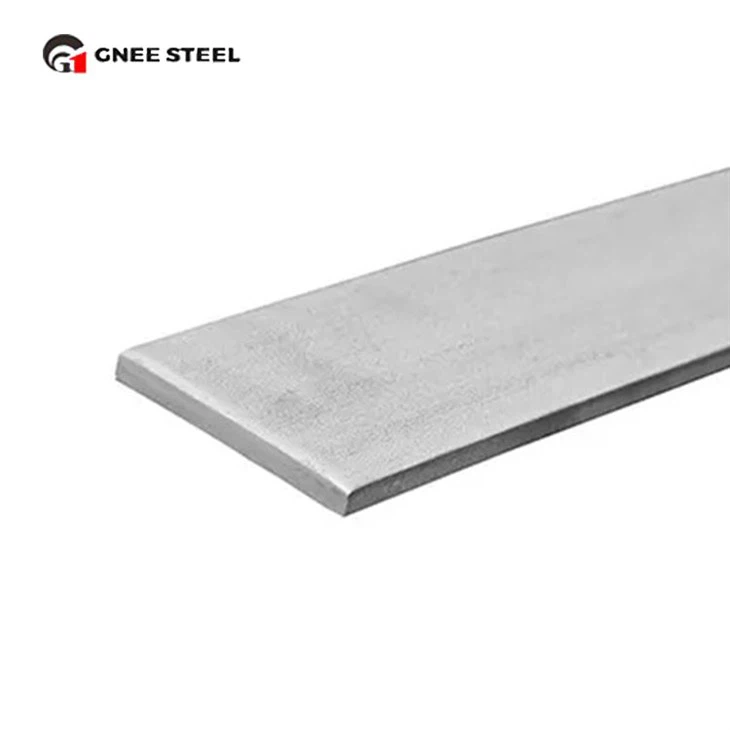


Q235B Flat Steel
Flat steel is produced through a process called hot rolling or cold rolling, depending on the desired properties and specifications of the final product.
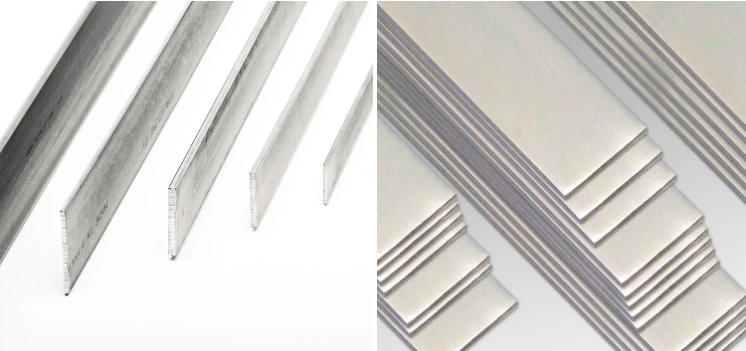
|
Model
|
Q235B Flat Steel |
|
Application
|
Construction, Industry, Machinery
|
|
Shape
|
Flat
|
|
Finish
|
Hot Rolled
|
|
Length
|
6/9/12M
|
|
Thickness
|
1.5mm-20mm
|
|
Width
|
10mm-870mm
|
|
Steel grade
|
A36, Q235, Q195, SS400, Q345,St37-2
|
|
Standard
|
GB, ASTM, AISI, EN, JIS
|
|
Surface
|
Customized
|
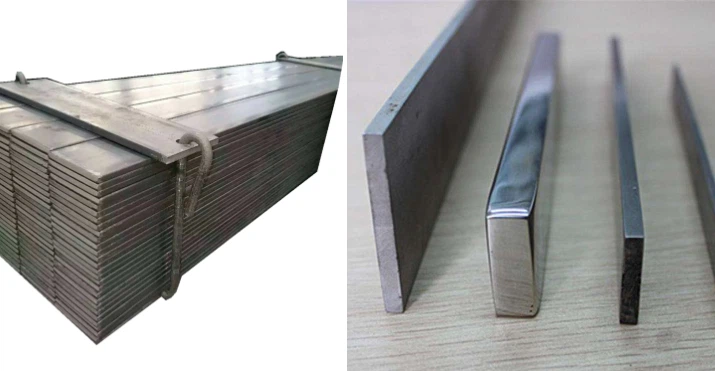
Hot Rolling: Hot rolling is the most common method for producing flat steel. The process involves the following steps:
a. Heating: Large steel billets or slabs are heated in a furnace to temperatures above the recrystallization point, typically between 1100°C and 1300°C. This high temperature ensures the steel becomes malleable and can be shaped easily.
b. Rolling: The heated billets or slabs are then passed through a series of rolling mills. These rolling mills consist of pairs of steel rolls that exert high pressure on the material, reducing its thickness and elongating it into longer lengths. As the steel passes through the rolls multiple times, its thickness is progressively reduced until the desired dimensions are achieved.
c. Cooling: After the hot rolling process, the steel is rapidly cooled to room temperature, either by air or water cooling. This cooling process may be controlled to achieve specific properties in the final product.
d. Cutting and Coiling: Once cooled, the flat steel is cut into desired lengths or coiled into rolls, depending on the intended application.
Cold Rolling: Cold rolling is used to produce flat steel with tighter tolerances, smoother surfaces, and improved mechanical properties. The process involves the following steps:
a. Annealing: The initial step is to anneal the hot-rolled steel coils in a controlled atmosphere to soften the material and make it more ductile for cold rolling.
b. Rolling: The annealed steel is then passed through a series of cold rolling mills. Unlike hot rolling, where the steel is heated, cold rolling occurs at room temperature. The steel is compressed between the rolls, gradually reducing its thickness and improving its surface finish.
c. Skin Pass (Optional): In some cases, a skin pass process may follow cold rolling. This involves lightly applying tension to the steel surface to improve its flatness and remove any surface defects.
d. Finishing: After cold rolling, the steel may undergo further treatments like cutting, slitting, or surface coating before being made available as flat steel products.
Hot Tags: q235b flat steel, China q235b flat steel manufacturers, suppliers, factory, flat steel for partition walls, flat steel bars, flat steel for siding, Alloy Steel Flat, flat metal rod, flat steel for tensile strength materials